How to Prevent Rat Infestations in NYC Apartments
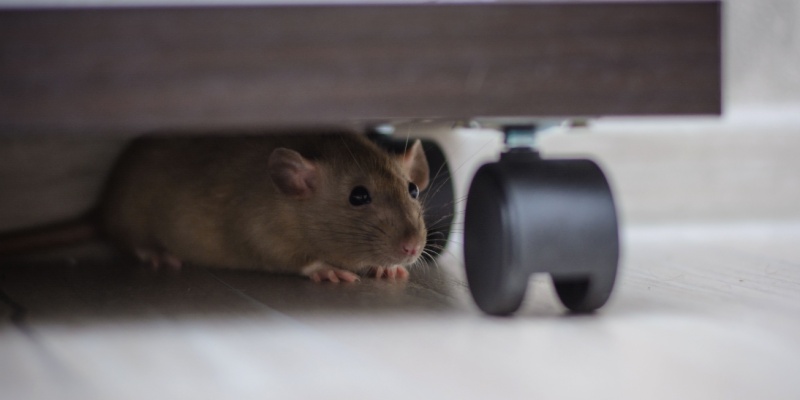
Rat infestations are a constant threat in New York City’s apartment buildings. However, you can prevent these pests from entering your home by using the right strategies. Rats are notorious for spreading diseases, contaminating food, and damaging property. Consequently, taking proactive measures to keep them out is essential. By following these prevention tips, you can significantly reduce the chances of a rat infestation in your NYC apartment. Why Rat Prevention is Important Rats are not only unsightly but also pose serious health risks to your family. Specifically, they carry diseases such as leptospirosis, salmonella, and hantavirus. They transmit these illnesses through their droppings, urine, and saliva. Furthermore, rats cause significant property damage by chewing through wiring, insulation, and even walls. Ultimately, preventing rats from entering your apartment is far easier and less costly than dealing with an active infestation. 1. Seal Entry Points Rats enter buildings through tiny cracks and gaps in walls, floors, and foundations. To prevent rats from gaining access to your apartment, you should follow these steps: 2. Keep Your Apartment Clean Rats hunt for food constantly, and even small crumbs can lure them into your home. Consequently, keeping your living space clean serves as one of the most effective ways to prevent an infestation: 3. Secure Trash Areas In NYC apartment buildings, shared trash areas often become the primary source of rat infestations. To stop rats from accessing garbage, ensure the building’s trash areas remain well-maintained: 4. Eliminate Water Sources Rats need water to survive, so they gravitate toward areas with standing water or leaky pipes. Addressing these water sources in your apartment can help keep rats away: 5. Maintain Shared Spaces Common areas like basements, hallways, and laundry rooms frequently provide entry points for rats. Therefore, you should work with your property manager to ensure these areas receive proper care: Professional Help for Rat Prevention Preventing rat infestations in NYC apartments requires a team effort between tenants and property managers. If you notice signs of rats, such as droppings or strange noises in the walls, you must act quickly. Systematic Pest Control provides comprehensive rat prevention strategies for the hospitality and residential sectors. Our experts seal entry points, set strategic traps, and provide ongoing monitoring to keep your apartment rat-free. By partnering with professionals, you ensure the long-term safety and cleanliness of your home.
Seasonal Rat Control Tips for New York City Apartment Buildings

Rats are a common problem in New York City apartment buildings year-round, but seasonal changes can influence their behavior and make infestations more likely at certain times of the year. Understanding how different seasons affect rat activity is essential for keeping these pests out of your apartment building. By taking proactive steps and adjusting your rat control strategies with the seasons, you can reduce the risk of an infestation and protect your building’s tenants. Why Seasonal Rat Control Matters Rats are highly adaptable creatures, and they adjust their behavior based on the availability of food, shelter, and weather conditions. In New York City, rats tend to move indoors during colder months to seek warmth and food, while warmer months can bring an increase in their breeding and activity. Seasonal rat control is crucial because different times of the year present unique challenges in keeping these pests at bay. Winter: Keeping Rats Out of Buildings Winter is one of the peak seasons for rat infestations in apartment buildings because rats seek warmth and shelter as temperatures drop. During this time, they may enter buildings through small cracks, gaps in the foundation, or even utility lines. Here are some key winter rat control tips: 1. Seal Entry Points Inspect the building’s exterior for cracks, holes, or gaps where rats can squeeze through. Pay attention to areas around windows, doors, vents, and utility lines. Seal any potential entry points with metal mesh, caulk, or steel wool. 2. Store Food Properly Rats are attracted to food, so encourage tenants to store food in airtight containers and avoid leaving food out overnight. Common areas, such as laundry rooms and lobbies, should be kept clean and free of food debris. 3. Regular Trash Removal Ensure that trash is removed regularly and stored in secure, rat-proof containers. Rats are highly attracted to garbage, and any access to food waste can quickly lead to an infestation. 4. Monitor Basements and Storage Areas These areas tend to be warm and undisturbed, making them prime spots for rats to nest. Regularly check these areas for signs of rat activity, such as droppings or gnaw marks. Spring: Preventing Breeding and Nesting As the weather warms up in the spring, rats become more active and begin breeding. Early spring is a critical time to prevent rats from nesting and multiplying in your apartment building: 1. Spring Cleaning Encourage tenants to participate in spring cleaning efforts, especially in storage areas and basements. Clutter provides excellent nesting sites for rats, so removing unnecessary items can reduce the risk of infestation. 2. Trim Landscaping Rats use overgrown vegetation as cover to get close to buildings. Trim bushes, trees, and shrubs around the property to eliminate hiding spots and reduce access to entry points. 3. Check for Damage The winter months can cause wear and tear on buildings, creating new entry points for rats. After winter, inspect the building for any damage and make necessary repairs to keep rats out. Summer: Controlling Food Sources and Waste Summer brings an increase in outdoor dining and food waste, which can attract rats to apartment buildings. Additionally, rats are more active in the warmer months and may be more likely to venture into common areas: 1. Secure Trash Areas Make sure that outdoor trash areas are properly maintained and that dumpsters are cleaned regularly. Trash should always be stored in rat-proof containers with tight-fitting lids to prevent access. 2. Maintain Clean Common Areas Outdoor areas, such as courtyards or playgrounds, should be kept free of food debris. Provide trash bins in common areas and ensure they are emptied regularly. 3. Install Door Sweeps Rats can easily slip under doors with gaps at the bottom. Installing door sweeps can help prevent them from entering the building, especially in high-traffic areas such as basements or storage rooms. Fall: Preparing for Winter As fall approaches, rats begin to seek warm places to spend the colder months. Fall is a crucial time to reinforce your rat control measures and prepare for winter: 1. Inspect Utility Lines Rats often enter buildings through gaps around utility lines. Make sure these areas are sealed tightly to prevent entry. 2. Set Traps Early Start setting rat traps or bait stations in areas where you’ve previously seen activity. Catching rats early in the fall can prevent them from moving indoors as temperatures drop. 3. Clean Gutters and Drains Rats are attracted to standing water, so keeping gutters and drains clear of debris can reduce potential water sources that attract them. Year-Round Pest Control Services While seasonal rat control measures are important, partnering with a professional pest control service ensures comprehensive protection year-round. Pest control experts can provide ongoing monitoring, baiting, and exclusion services to keep your apartment building rat-free, regardless of the season.
Rodent Proofing Your NYC Restaurant: Essential Tips to Keep Rats Away

New York City’s restaurants are prime targets for rats, thanks to the abundance of food and hiding spots they offer. A single rat sighting in your restaurant can damage your reputation and lead to costly fines or even closure by the health department. That’s why rodent-proofing your restaurant is essential for keeping rats away and protecting your business. Here are some key strategies for keeping rats out of your NYC restaurant: 1. Seal Entry Points Rats can squeeze through openings as small as a quarter, making it crucial to seal any potential entry points in your restaurant. Here’s what to look for: Inspect the exterior of your building for cracks, gaps, or holes in walls, windows, and doors. Use caulk, steel wool, or metal mesh to seal these openings. Rats can enter through gaps around utility lines, such as plumbing and electrical cables. Make sure these areas are properly sealed to prevent rats from sneaking in. Rats can access your restaurant through floor drains, so it’s important to install rat guards or covers to prevent entry. 2. Keep Food and Waste Secure Rats are attracted to food, so proper storage and waste management are critical for keeping them out of your restaurant. Follow these guidelines to prevent rats from finding a food source: All food should be stored in sealed, rat-proof containers, preferably made of metal or thick plastic. Avoid leaving food out overnight, and make sure pantry areas are clean and organized. Food spills and crumbs are an open invitation for rats. Make sure your kitchen and dining areas are cleaned thoroughly at the end of each day, and wipe down all surfaces regularly. Rats are attracted to garbage, so use heavy-duty, rat-proof trash bins with tight-fitting lids. Keep outdoor dumpsters clean and well-maintained, and dispose of garbage regularly to avoid attracting rats. 3. Maintain a Clean Environment Cleanliness is one of the most effective ways to prevent a rat infestation in your restaurant. Rats thrive in unsanitary conditions, so maintaining a clean environment is key: Don’t forget to clean under and behind appliances, where food debris can accumulate. Pay special attention to areas near dishwashers, ovens, and refrigerators. After each shift, thoroughly sanitize all food prep areas, counters, and floors to remove any food residue. Grease traps can attract rats if not emptied regularly. Make sure grease traps are cleaned and maintained according to your restaurant’s schedule. 4. Inspect and Maintain Your Building Regular inspections and maintenance are crucial for keeping rats out of your restaurant. Here’s what to focus on: Conduct regular inspections of your building, paying close attention to areas where rats might enter, such as basements, storage rooms, and garbage areas. Rats can chew through wood, insulation, and even electrical wiring. Repair any structural damage immediately to prevent rats from using it as an entry point. Look for signs of rat activity, such as droppings, gnaw marks, and grease trails along walls. If you notice any of these signs, take immediate action to address the problem. 5. Work with Professional Pest Control Services Even with the best prevention measures in place, rats can still find a way into your restaurant. That’s why partnering with a professional pest control service is essential. Pest control experts can help you: Regular pest control inspections help identify potential entry points and signs of infestation before they become a major issue. Pest control professionals can strategically place traps and bait stations around your restaurant to catch rats before they cause problems. Continuous monitoring ensures that your restaurant stays rat-free, even during peak pest seasons. Protect Your Restaurant and Reputation By taking these steps to rodent-proof your NYC restaurant, you can prevent rats from gaining access to your business and protect your reputation. A clean, rat-free environment is essential for customer satisfaction and compliance with health department regulations. Don’t wait for a rat problem to arise—invest in professional rodent-proofing services to keep your restaurant safe and pest-free.
The Legal Consequences of Rat Infestations in NYC Restaurants
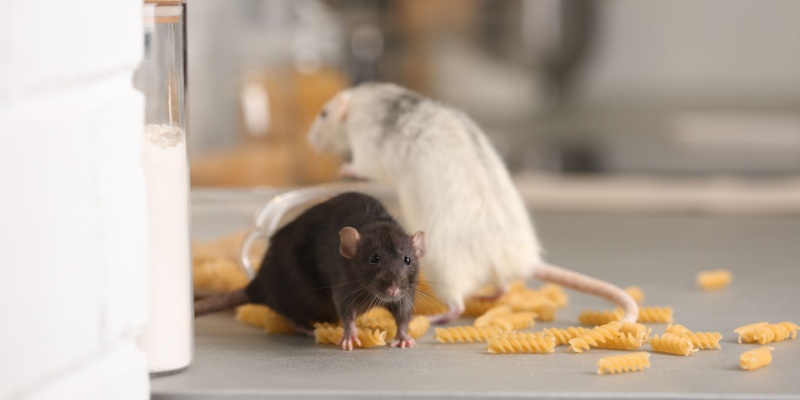
Rat infestations in restaurants are not only a health and safety issue but also come with serious legal consequences. New York City’s health department has strict regulations regarding pest control in food establishments, and restaurants that fail to comply can face significant fines, poor health inspection grades, and even closures. Understanding the legal ramifications of a rat infestation can help restaurant owners take the necessary steps to avoid legal trouble and protect their businesses. NYC Health Department Regulations on Pest Control The New York City Department of Health (DOH) has clear regulations for pest control in restaurants. Under these regulations, restaurants must maintain a clean and sanitary environment, free from pests such as rats, mice, and insects. Failing to meet these standards can result in violations, fines, and poor inspection grades. Health inspectors conduct routine inspections to ensure compliance with city regulations. During these inspections, they look for signs of pest activity, including rat droppings, gnaw marks, and grease trails. If an inspector finds evidence of a rat infestation, the restaurant can be cited for a violation, which could result in significant penalties. Fines and Penalties for Rat Infestations The fines for pest control violations in New York City can be steep. Depending on the severity of the infestation, fines can range from several hundred to several thousand dollars. Multiple violations can lead to cumulative fines, further increasing the financial burden on the restaurant owner. In addition to fines, restaurants may receive a poor health inspection grade if rats are present. In New York City, health inspection grades are posted publicly, and a low grade (such as a “C” rating) can severely impact a restaurant’s reputation, leading to a loss of customers and revenue. Temporary Closures Due to Infestations In cases of severe rat infestations, the health department has the authority to temporarily close a restaurant until the issue is resolved. A closure order is a worst-case scenario for any restaurant owner, as it can result in significant financial losses and long-term damage to the restaurant’s reputation. Before reopening, the restaurant must pass a follow-up inspection to ensure that the rat problem has been fully addressed. This often involves hiring professional pest control services, deep cleaning the premises, and making any necessary repairs to prevent rats from returning. Lawsuits and Liability Risks In addition to fines and closures, restaurants with rat infestations may face legal action from customers or employees who are affected by the presence of rats. For example, if a customer becomes ill after eating contaminated food or a staff member is injured by a rat-related hazard (such as a fire caused by rats chewing through electrical wiring), the restaurant owner may be held liable for damages. Lawsuits related to rat infestations can be costly, both financially and in terms of the damage to the restaurant’s reputation. Even if the restaurant wins the case, the negative publicity can be difficult to overcome. Steps to Avoid Legal Consequences To avoid the legal consequences of a rat infestation, restaurant owners should take a proactive approach to pest control. Here are some key steps to take: 1. Regular Pest Control Inspections Work with a professional pest control service to conduct regular inspections and treatments. Early detection and prevention are essential to keeping rats out of your restaurant. 2. Maintain Sanitation Standards A clean restaurant is less likely to attract rats. Ensure that all food prep areas, storage areas, and waste disposal areas are regularly cleaned and sanitized. 3. Respond Quickly to Complaints If a customer or employee reports seeing rats or signs of a rat infestation, take immediate action to address the issue. Ignoring complaints can lead to larger problems down the line. 4. Document Pest Control Efforts Keep records of all pest control efforts, including inspections, treatments, and repairs. If a legal issue arises, having documentation of your efforts to maintain a pest-free environment can be valuable in defending your business. By staying compliant with health department regulations and taking proactive steps to prevent rat infestations, restaurant owners can avoid costly fines, closures, and lawsuits, while protecting their business and reputation. The pros at Systematic Pest Elimination can help you protect your restaurant from rats – and the consequences that come with an infestation – reach out today.
How Rats Impact Health and Safety in New York City’s Restaurants
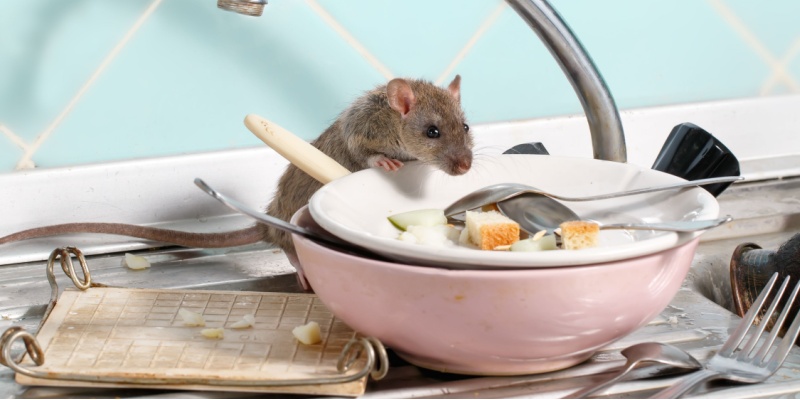
Rats in New York City’s restaurants represent a critical health and safety concern for every operator. These pests spread dangerous diseases and contaminate food supplies, which causes serious harm to both customers and staff. Therefore, restaurant owners must understand the true impact of a rodent presence. By prioritizing prevention, you can protect your business reputation and stay in full compliance with strict city regulations. The Health Risks of Rats in Restaurants Rats act as known carriers for several severe diseases. Humans typically contract these illnesses through direct contact, tainted food, or contaminated surfaces. Specifically, you should be aware of these common health risks: How Rats Affect Food Safety Beyond direct health risks, rats compromise the overall safety of your kitchen by ruining inventory. These rodents habitually chew through food packaging, leaving behind urine and droppings. As a result, owners must discard all contaminated food, which leads to significant financial losses. In addition to food spoilage, rats often damage expensive kitchen equipment. They frequently gnaw on insulation, machinery, and electrical wiring. This behavior does more than just cause costly repairs; it also creates major safety hazards, such as electrical fires. NYC Health Department Regulations and Inspections The New York City Department of Health maintains very strict standards regarding pest control. If an inspector finds signs of an infestation, your business may face heavy fines or a poor letter grade. In extreme cases, the city will even order a temporary closure. A single inspection failure can destroy a restaurant’s hard-earned reputation. Because the NYC food scene is so competitive, negative reviews regarding pests can be devastating. Therefore, you must remain vigilant to avoid these public relations disasters. What Restaurant Owners Can Do Owners must take proactive steps to eliminate rats and keep them away for good. Specifically, you should implement the following strategies: Ultimately, taking these actions protects the health of your community. By staying proactive, you ensure your restaurant remains a safe, clean, and successful part of the NYC culinary landscape.
How to Identify Early Signs of Rat Infestations in NYC Apartment Buildings

Knowing how to identify early signs of rat infestations in NYC apartment buildings is the first step toward protecting your home. Because New York City’s dense environment provides constant food and shelter, rats are a common problem in many local properties. If you leave these pests unchecked, an infestation can quickly spiral out of control. Therefore, identifying a problem early is crucial to prevent full-blown chaos. By knowing what to look for, property managers and tenants can take swift action before rats cause structural damage or spread diseases. Why Rat Infestations Are Common in NYC Apartments New York City’s urban landscape provides rats with ample hiding spots and food sources. In apartment buildings, rats move easily between units through walls, ceilings, and plumbing systems. This connectivity makes it difficult to contain an infestation once it starts. Because rats are nocturnal and hide during the day, people often overlook the early signs of their presence. According to the NYC Health Department, proactive monitoring is the best way to maintain a safe building. Six Ways to Identify Early Signs of Rat Infestations 1. Spotting Fresh Droppings Rat droppings are often the first and most obvious indicator. These pellets are small, dark, and typically found near food sources or along baseboards. Fresh droppings appear dark and moist, while older ones look dry and crumbly. 2. Finding New Gnaw Marks Rats constantly gnaw on objects to keep their teeth sharp. Look for marks on wood, wiring, and plastic pipes. Because rats chew through various materials, they can cause significant damage to apartment structures and even trigger electrical fires, as noted by safety experts at the CDC. 3. Grease Marks and Smudges Rats have oily fur. As they move along walls, they leave greasy smudges or dark streaks behind. Therefore, you should check baseboards and entry points for these telltale signs of a regular travel path. 4. Hidden Nesting Materials Rats build nests using shredded paper, fabric, and insulation. If you find small piles of these materials in hidden corners or basements, you have likely discovered a rat nest. 5. Hearing Noises in Walls or Ceilings Because rats are nocturnal, you are most likely to hear scratching or squeaking sounds at night. Pay close attention to unusual noises coming from inside walls or behind cabinets. 6. External Burrows and Holes Rats often create tunnels in soft ground or within wall voids. Consequently, you should look for small holes around the building’s foundation or in dark, undisturbed areas like storage rooms. Taking Action Against Infestations If you notice any of these signs, you must act quickly. First, tenants should immediately notify property management. Property managers are responsible for addressing pest control and ensuring the building remains habitable. Furthermore, staff should set traps and bait stations immediately. Finally, you must seal all entry points with steel wool or caulk to prevent more rats from entering the building. Professional Help for Identifying Early Signs of Rat Infestations Rats spread quickly throughout NYC complexes, so you must work with professionals to eliminate the problem. Experts provide comprehensive solutions, including trapping, baiting, and exclusion methods. If you are struggling with how to identify early signs of rat infestations in NYC apartment buildings, contact Systematic Pest Elimination for a thorough inspection.
Rat Control in New York Restaurants: Protecting Your Business and Reputation
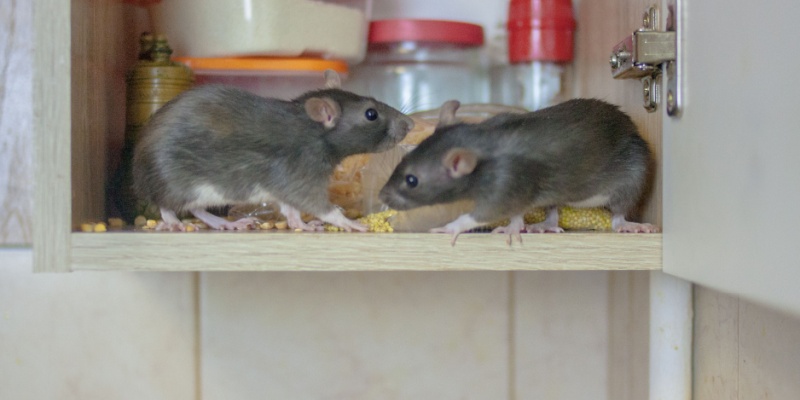
Rats are more than just a nuisance—they are a serious threat to the success of your restaurant in New York City. As a restaurant owner, your reputation is everything, and a rat infestation can quickly damage that reputation beyond repair. Additionally, rats pose significant health risks, which can lead to poor health inspections, costly fines, and even the temporary or permanent closure of your business. That’s why rat control is essential for protecting both your business and its reputation. Why Rats Are a Problem in NYC Restaurants New York City provides an ideal environment for rats, thanks to its dense population, vast food sources, and countless hiding spots. Rats are highly adaptable and can find their way into restaurants through small openings, cracks, and even sewer lines. Once inside, they can cause damage to food supplies, kitchen equipment, and structural elements of the building. Here are a few key reasons why rat control is crucial for NYC restaurants: 1. Health Risks Rats carry diseases that can be transmitted to humans, including salmonella, leptospirosis, and hantavirus. These diseases can spread through contaminated food, surfaces, or even by direct contact with rat droppings or urine. 2. Health Inspections New York City’s Health Department takes rat infestations seriously. Restaurants that fail to meet sanitation standards or show signs of a rat infestation are subject to hefty fines and poor inspection grades, which can drive customers away. 3. Reputation Damage In the age of social media, news about rat sightings or infestations can spread like wildfire. A single post or review about rats in your restaurant can lead to negative publicity that is hard to recover from. 4. Structural Damage Rats chew through wiring, insulation, and even wooden structures. This can lead to costly repairs and potential safety hazards, including electrical fires. How to Implement Effective Rat Control Rat control is an ongoing process that requires a combination of preventive measures and professional pest control services. Here’s how you can protect your restaurant from a rat infestation: Rats can squeeze through openings as small as a quarter. Regularly inspect your building for cracks, holes, and gaps around doors and windows, and seal them with metal mesh or caulk. Don’t forget to check less obvious areas like floor drains, vents, and utility lines. A clean restaurant is less attractive to rats. Make sure food prep areas are thoroughly cleaned, and don’t leave food or waste sitting out overnight. Regularly empty trash bins and store food in sealed containers. Rats are attracted to garbage, so be sure to secure your outdoor trash areas with heavy-duty, rat-proof bins. Clean the area around dumpsters regularly to avoid attracting rats. Professional rat control services are essential for preventing and managing rat infestations. Pest control experts can assess your restaurant, set up bait stations and traps, and provide ongoing monitoring to ensure rats stay away. Protect Your Restaurant and Reputation Rat control isn’t just about keeping your restaurant clean—it’s about safeguarding your reputation and maintaining the trust of your customers. By taking proactive steps to prevent and eliminate rats, you can protect your business from the damaging consequences of a rat infestation. Don’t wait for a problem to arise—invest in professional rat control services from Systematic Pest Elimination and keep your restaurant free of pests.
How to Maintain a Rat-Free Business in New York

Maintaining a rat-free business environment in New York City requires vigilance, proactive measures, and a commitment to cleanliness. Rats are a common issue in urban areas. Preventing rats from infesting your property is essential for safeguarding your business’s reputation, health, and operations. Implementing Preventative Strategies To effectively keep rats away from your business, it’s crucial to implement a series of preventative measures. Here are some key strategies: 1. Seal Entry Points Inspect your property for gaps, cracks, and holes that could allow rats to enter. Use durable materials like steel wool, caulk, and metal mesh to seal these openings. Pay special attention to areas around doors, windows, utility lines, and the foundation. 2. Maintain Cleanliness A clean environment is less attractive to rats. Implement rigorous cleaning routines that include sweeping floors, wiping down surfaces, and removing food residues. Ensure that all areas, including storage rooms, kitchens, and bathrooms, are regularly cleaned and sanitized. 3. Proper Waste Management Dispose of waste promptly and use sealed, rodent-proof containers for trash storage. Keep outdoor dumpsters away from building entrances and clean waste areas frequently to eliminate odors and residues that attract rats. 4. Store Food Securely If your business handles food, store it in airtight containers to prevent access by rats. Organize food storage areas and conduct regular inspections to check for signs of contamination or pest activity. 5. Control Landscaping Maintain your property’s exterior by trimming vegetation and removing debris that could provide shelter for rats. Keep the perimeter clear and ensure that bushes and trees do not touch the building, as they can provide pathways for rats. Conducting Regular Inspections Regular inspections are essential for identifying potential vulnerabilities and signs of rat activity. Here’s how to conduct effective inspections: Conduct scheduled inspections of your property to identify signs of rat activity, such as droppings, gnaw marks, nests, and smudge marks. Use a checklist to ensure that all areas are thoroughly inspected. Use traps or monitoring devices to detect early signs of infestation. Place them in strategic locations where rats are likely to travel, such as along walls and near food sources. Consider hiring a professional pest control company to perform regular inspections and assessments. Their expertise can help identify potential risks and implement effective solutions. Partnering with Professional Pest Control Partnering with a professional pest control service provides an additional layer of protection for your business. Here’s what they offer: IPM strategies focus on long-term prevention and control by addressing the root causes of pest problems. Pest control professionals can implement IPM plans tailored to your business’s specific needs. Professionals provide customized solutions based on the unique challenges of your property. They can recommend treatments and preventative measures that are most effective for your environment. Regular monitoring by pest control professionals helps detect early signs of infestation and allows for prompt action to prevent outbreaks. Continuous assessments ensure that your business remains rat-free. Educating Employees Educating your employees about the importance of pest prevention and the role they play in maintaining a clean environment is crucial. Here are some steps to take: 1. Training Sessions Conduct training sessions to educate employees on proper waste disposal, food storage, and cleaning practices. Emphasize the importance of reporting any signs of pest activity immediately. 2. Employee Responsibilities Assign specific responsibilities related to pest prevention, such as monitoring waste areas, cleaning schedules, and conducting inspections. Empower employees to take ownership of maintaining a pest-free environment. Maintaining a rat-free business in New York City requires a combination of preventative strategies, regular inspections, professional pest control services, and employee education. By implementing these measures, you can protect your business from the damaging effects of a rat infestation, ensuring a safe, clean, and reputable environment for your employees and customers. Prioritizing pest prevention contributes to the success and sustainability of your business in the competitive NYC market.
How Do I Know If I Have a Rat Problem on My Commercial Property?
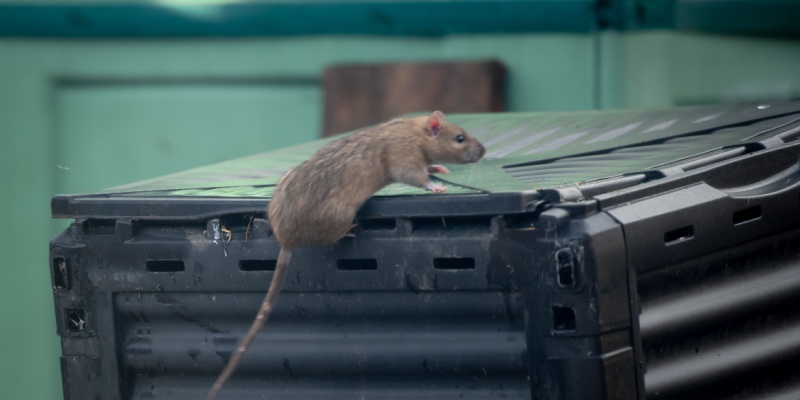
How do I know if I have a rat problem on my commercial property? This is a critical question for any business owner, as rats are unwelcome visitors that cause significant structural damage and threaten your reputation. Because these pests are highly destructive, identifying an infestation early is crucial for minimizing harm and protecting your bottom line. If you leave a rodent issue unaddressed, it can lead to severe health code violations. Consequently, you must stay vigilant and recognize the telltale signs of their presence before the situation escalates. Identifying the Signs of a Rat Infestation Rats are primarily nocturnal, which makes it challenging to spot them during business hours. However, they always leave behind physical evidence of their activity. If you are asking, “how do I know if I have a rat problem on my commercial property?” you should look for these specific indicators: Why Rats Target Your Business Understanding why pests choose your building is the first step toward prevention. According to the NYC Health Department, rats thrive in urban environments where food and shelter are easily accessible. Confirming the Problem on Your Property If you suspect an issue, you must take immediate steps to confirm it. First, conduct a thorough inspection with a high-powered flashlight, focusing on dark corners and utility entries. Next, set monitoring traps in areas where you noticed droppings or smudge marks. Furthermore, you should document every finding with photos to track the severity of the infestation. Because rats reproduce so quickly, a small problem can become a crisis in just a few weeks. Therefore, professional intervention is often necessary to ensure a complete sweep of the premises. Professional Solutions for Commercial Properties Identifying a rat problem early is essential for taking prompt action. By recognizing the signs and understanding why rats target your building, you can effectively manage the situation. If you are still wondering, “how do I know if I have a rat problem on my commercial property?” then it is time to consult the experts. Systematic Pest Elimination provides comprehensive inspections and long-term protection for NYC businesses. We help you eliminate current infestations and implement exclusion strategies to keep your property pest-free.
Don’t Let Rats Take Over Your Commercial Property in New York

Rats are a significant concern for commercial properties in New York City due to the city’s dense population, aging infrastructure, and abundant food sources. Allowing these pests to invade your premises can result in substantial financial losses, health risks, and damage to your business’s reputation. To maintain a safe and pest-free environment, it’s crucial to take proactive measures against rat infestations. Here’s how you can prevent rats from taking over your commercial property: Understanding the Threat 1. Health Risks Rats are notorious carriers of various diseases, including leptospirosis, salmonella, and hantavirus. These diseases can be transmitted to humans through contact with rat droppings, urine, or contaminated surfaces. In commercial settings, especially those in the food and hospitality industries, the presence of rats poses significant health risks and can lead to serious legal liabilities if left unchecked. 2. Property Damage Rats have powerful incisors that can chew through wood, plastic, metal, and even electrical wiring. This behavior can lead to structural damage, fire hazards due to exposed wiring, and costly repairs. Additionally, rats can damage merchandise and storage areas, leading to financial losses and inventory shortages. 3. Reputation Damage In today’s digital age, a single rat sighting can spread rapidly across social media and review platforms, tarnishing your business’s reputation. Customers are unlikely to return to a business where they have witnessed or heard about pest issues, and negative reviews can deter potential clients. Signs of a Rat Infestation Detecting a rat problem early can save your business from extensive damage and financial loss. Here are some indicators of a rat infestation: 1. Droppings Look for dark, cylindrical droppings near food sources, along walls, and in hidden corners. 2. Gnaw Marks Check for gnaw marks on packaging, furniture, wiring, and structural materials. 3. Nesting Materials Shredded paper, fabric, and other soft materials are often used by rats to build nests. 4. Tracks and Smudge Marks Rats leave behind greasy smudge marks and tracks in dusty areas. 5. Noise Listen for scratching or scurrying sounds, especially at night, as rats are nocturnal. Professional Pest Control Solutions For comprehensive protection against rats, consider partnering with a professional pest control company. Here’s how they can assist: Pest control professionals conduct thorough inspections to identify vulnerabilities and signs of rat activity. They use their expertise to recommend appropriate treatments and preventative measures tailored to your property. Many pest control companies offer IPM solutions that focus on long-term prevention, monitoring, and control. This approach combines various strategies to minimize pest risks while reducing reliance on chemical treatments. Professionals can create a customized pest management plan that addresses the unique challenges of your commercial property. This plan will outline specific actions to prevent and eliminate rat infestations effectively. Continuous monitoring and maintenance services help ensure your property remains rat-free. Regular assessments allow for quick response to any new signs of infestation. Rats can pose a severe threat to your commercial property in New York, but with proactive measures and professional assistance, you can prevent them from taking over. By securing entry points, maintaining cleanliness, managing waste properly, and employing expert pest control services, you can protect your business from the harmful effects of a rat infestation. Prioritizing pest prevention safeguards your reputation, ensures the safety of your employees and customers, and contributes to the overall success of your business.