Winter Rodent Proofing for NYC Commercial Kitchens: Sealing Entry Points Before Freezing Temperatures Hit
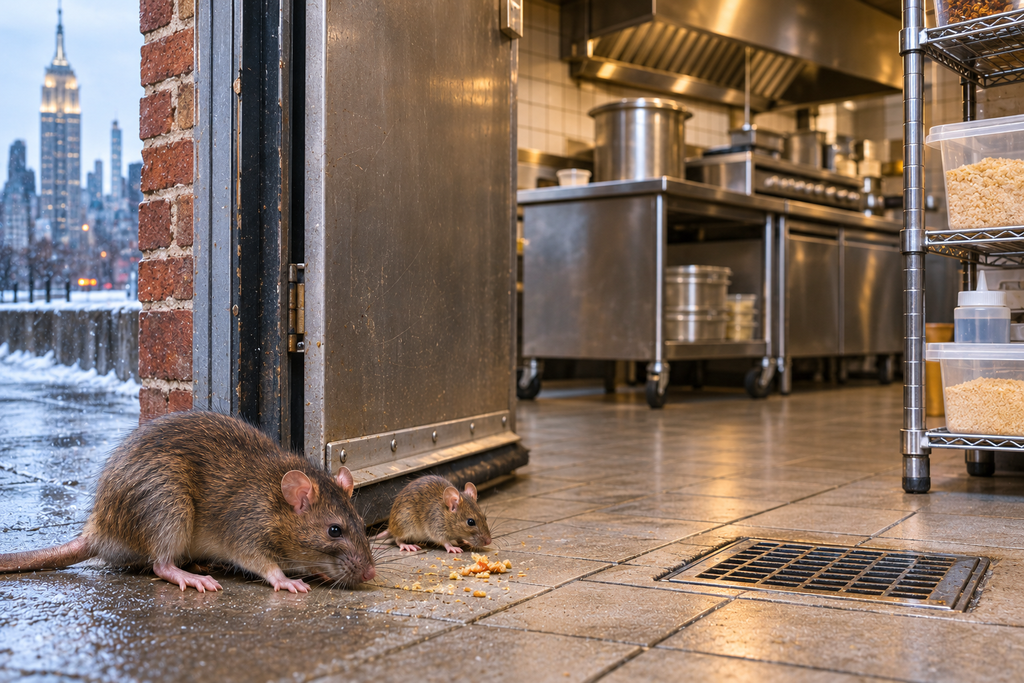
When New York City temperatures drop below 40°F, Norway rats and house mice abandon outdoor burrows and sewer lines to seek warmth, grease, and shelter inside commercial kitchens. Proactive winter rodent proofing—combining structural exclusion, utility line sealing, and strict sanitation protocols—is the most effective way for NYC restaurant operators to prevent infestations and avoid costly Department of Health and Mental Hygiene (DOHMH) violations. For hospitality managers across Manhattan, Brooklyn, Queens, the Bronx, and Staten Island, autumn and early winter represent a critical seasonal shift. A single pair of mice can produce dozens of offspring over the winter months inside warm wall voids, while desperate Norway rats can chew through soft concrete, plastic piping, and worn rubber door sweeps in a single night. Waiting until a staff member spots droppings near the dish pit means an infestation is already established. Why Winter Triggers Aggressive Rodent Pressure in NYC Restaurants Urban rodent behavior changes dramatically as cold weather sets in. Unlike rural pests, New York City rodents rely heavily on human infrastructure, and seasonal shifts force them to migrate indoors. High-Risk Entry Points in New York City Commercial Kitchens A mouse can squeeze through an opening the size of a dime (1/4 inch), and a full-grown Norway rat only needs a gap the size of a quarter (1/2 inch). Before freezing temperatures lock in, facility managers should inspect these five vulnerable zones: 1. Rear Delivery Doors and Basement Bulkheads Exterior steel doors frequently warp over time or develop worn bottom gaskets from heavy hand-truck traffic. Even a 3/8-inch gap beneath a rear alley door allows mice effortless entry after closing hours. 2. Utility Lines, Conduit, and Gas Piping Commercial kitchens require dense networks of water lines, gas pipes, refrigeration tubing, and electrical conduits penetrating exterior brick and basement walls. Contractors rarely seal the annular space around these pipes with rodent-proof materials, creating direct highways from the street into wall cavities. 3. Floor Drains and Grease Trap Access Points Missing or loose floor drain grates—especially in older basement prep areas or near mop sinks—allow sewer-dwelling rats to enter directly into the kitchen. Damaged or poorly sealed grease trap covers also provide both entry points and high-calorie food sources. 4. Exhaust Hoods, Makeup Air Units, and Louvers Rooftop and exterior wall vents often feature flimsy plastic louvers or damaged mesh screens. Once the kitchen closes and exhaust fans shut down, rodents climb exterior brick or neighboring utility lines to enter through ductwork. 5. Shared Walls and Sub-Flooring in Multi-Tenant Buildings In dense NYC commercial corridors, your kitchen likely shares foundations, drop ceilings, and plumbing chases with neighboring storefronts or residential units. Rodent activity in an adjacent building quickly spills over if interior partition penetrations remain unsealed. Step-by-Step Winter Rodent Exclusion Checklist Effective commercial rodent proofing requires durable, gnaw-resistant materials. Standard expanding foam or silicone caulk alone will not stop a determined rat. Vulnerability Area Recommended Exclusion Material Installation Standard Exterior & Alley Doors Heavy-duty aluminum retainer with stainless steel mesh-reinforced rubber sweep Zero light visible beneath door; flush contact across the entire threshold Pipe & Conduit Penetrations Copper mesh (Stuffit) packed tightly + elastomeric sealant or hydraulic cement Pack mesh 2 inches deep into the void before sealing flush with the wall Foundation & Brick Cracks Quick-setting hydraulic cement or steel wool mixed with masonry patch Fill cracks wider than 1/8 inch inside basement and exterior perimeters Exterior Vents & Louvers 1/4-inch galvanized hardware cloth (19-gauge or heavier) Fasten securely with masonry anchors or sheet-metal screws Floor Drains Heavy-duty cast iron or stainless steel bolted drain grates Ensure grates are intact, screwed down, and trap primers hold water Sanitation and Operational Protocols to Reinforce Structural Proofing Physical exclusion works best when paired with strict back-of-house habits that eliminate attractants: NYC Health Inspection Compliance: Protecting Your Letter Grade Under the New York City Health Code (Article 151), active rodent signs—including fresh droppings, gnaw marks, rub marks along baseboards, or structural conditions conducive to pests—carry heavy violation points that can immediately drop an A grade to a B or C. Maintaining documented, ongoing Integrated Pest Management (IPM) service logs alongside completed structural exclusion work demonstrates proactive compliance to DOHMH inspectors. Frequently Asked Questions (FAQ) How small of a gap can a rat or mouse fit through in a commercial kitchen? A house mouse can squeeze through an opening as small as 1/4 inch (roughly the diameter of a pencil or a dime), while an adult Norway rat can compress its body to fit through a 1/2-inch gap (the size of a quarter). If light is visible under an exterior door or around a utility pipe, rodents can enter. Does expanding spray foam keep rats out of restaurant walls? No. Standard polyurethane expanding foam offers zero resistance to rodents; rats and mice easily chew through cured foam within minutes. Proper exclusion requires packing gaps tightly with coarse copper mesh or stainless steel wool before sealing the surface with hydraulic cement or commercial-grade elastomeric sealant. Why do NYC restaurants see more rats and mice in late fall and winter? Dropping outdoor temperatures, reduced street-level food waste, and winter precipitation flooding subway tunnels and sewer lines force urban rodents to seek warm, dry shelter indoors. Commercial kitchens attract them with continuous ambient heat from appliances and reliable food and grease sources. How often should a New York City restaurant schedule commercial rodent control? Most NYC restaurants require bi-weekly or monthly preventative Integrated Pest Management (IPM) visits to monitor exterior bait stations, inspect interior mechanical traps, verify structural exclusion integrity, and maintain up-to-date sanitation logs for Department of Health inspections. Partner With NYC Commercial Rodent Exclusion Specialists Securing a New York City commercial kitchen against winter rodent pressure requires thorough structural diagnostics and commercial-grade exclusion materials. Whether you operate a single neighborhood bistro or manage a multi-unit hospitality group, Systematic Pest Elimination delivers targeted New York City rat elimination and preventative rodent-proofing programs built for strict NYC Health Code compliance. Ready to winterize your facility before freezing temperatures arrive?
Why Fake Owls and Plastic Spikes Won’t Solve Your NYC Pigeon Problem
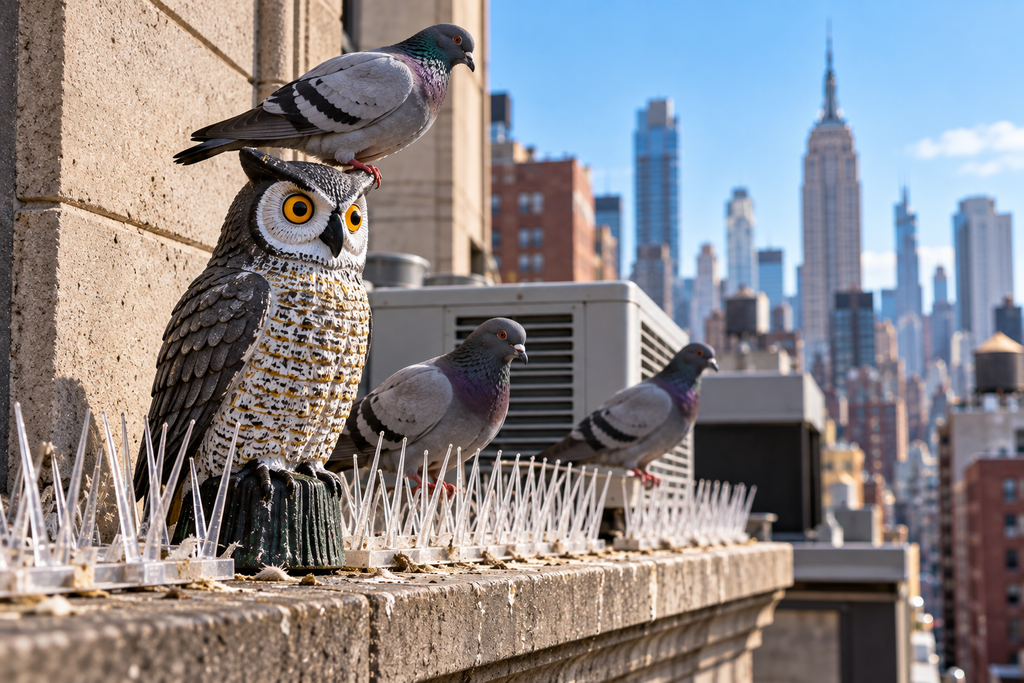
Fake owls and cheap plastic spikes are no match for stubborn New York City pigeons. Learn why DIY bird control fails and how to achieve permanent physical exclusion for your commercial property.
Protecting NYC’s Historic Facades: Low-Visibility Pigeon Deterrents That Actually Work

Want to keep pigeons off your brownstone or historic commercial building without turning it into an ugly fortress? Learn about the best low-visibility, permanent pigeon deterrents designed specifically for high-end NYC architecture.
The Rooftop Menace: Bird-Proofing Solar Panels and HVAC Units Against Pigeons

Rooftop equipment like solar panels and HVAC units provide the perfect shelter for NYC pigeons. Discover how permanent physical exclusion protects your commercial building from fire risks, roof leaks, and biohazards.
How to Stop Pigeon Droppings and Avoid NYC DOH Violations with Permanent Bird Control
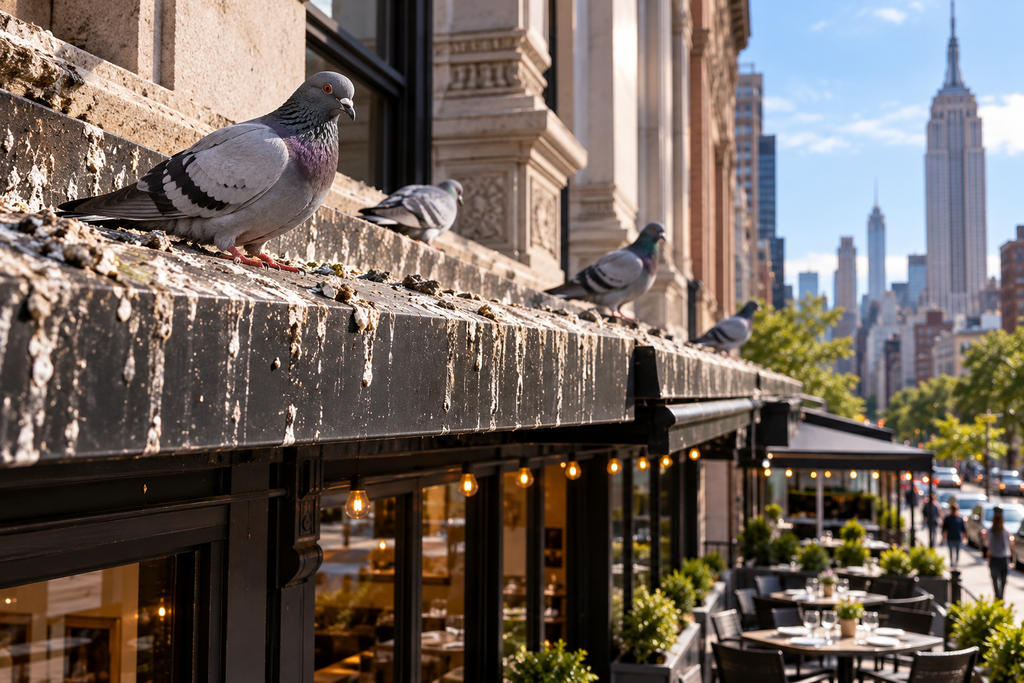
Pigeon droppings aren’t just an eyesore—they are a fast track to health code violations and structural damage. Discover why commercial properties in New York City need permanent bird exclusion instead of temporary fixes.
Top 5 Signs You Have a Serious Cockroach Problem in Your Restaurant
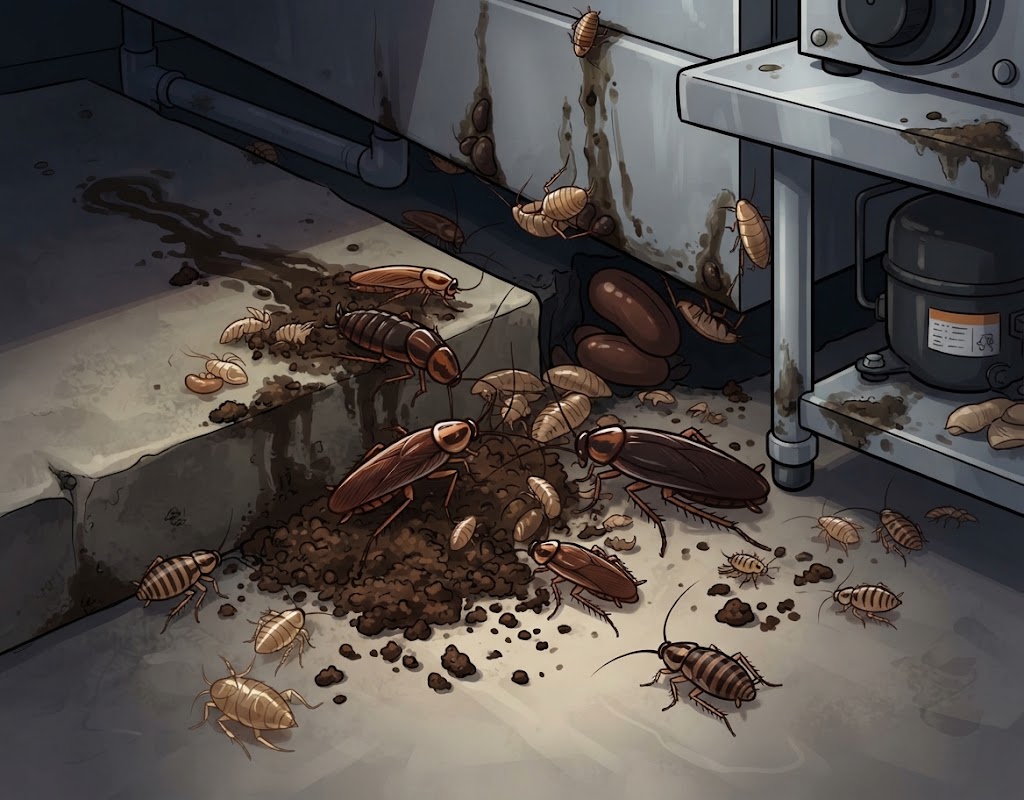
Discover the top 5 warning signs of a serious restaurant cockroach infestation, from daytime sightings to egg cases, and learn essential prevention protocols.
Tiny Invaders, Big Buzz: How to Keep Fruit Flies Out of Your New York Kitchen
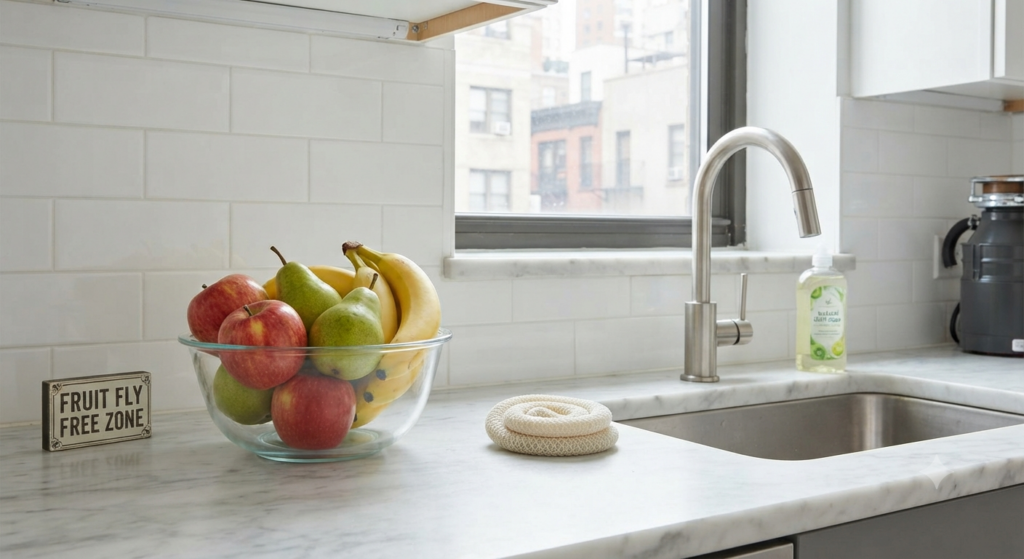
Dealing with fruit flies in your New York apartment or business? Discover why these tiny urban freeloaders take over NYC kitchens and learn effective, practical strategies to evict them for good.
Fruit Flies in New York: The Unauthorized Apartment Subletters You Didn’t Ask For
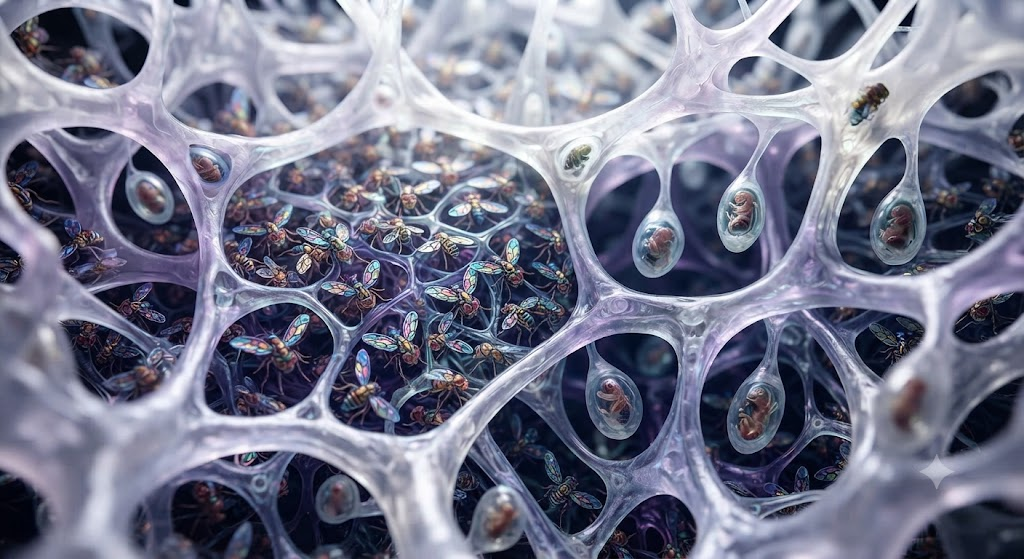
Dealing with fruit flies in your New York apartment or business? Discover why these tiny urban freeloaders take over NYC kitchens and learn effective, practical strategies to evict them for good.
NYC Cockroaches: Navigating the Urban Jungle with Grit and Grace
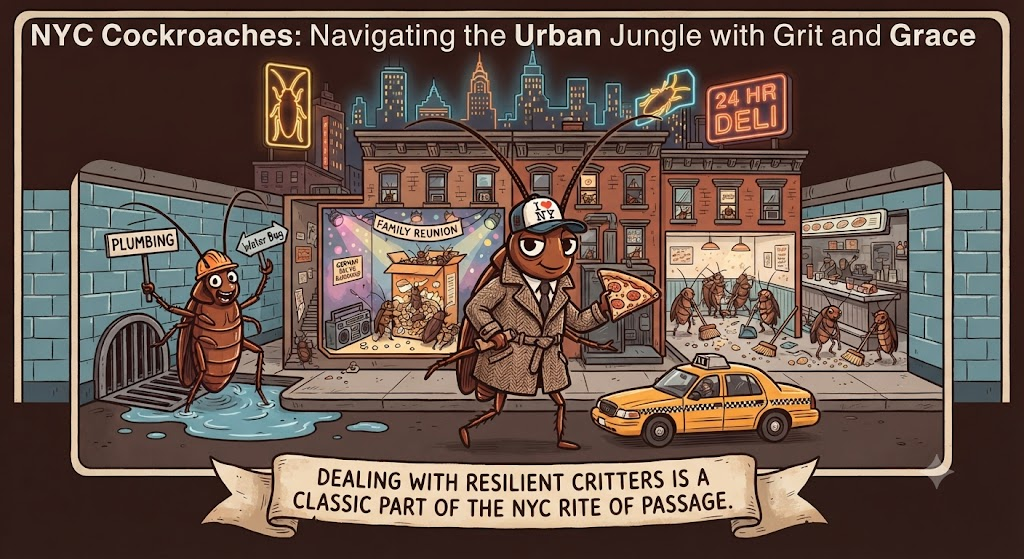
Dealing with cockroaches in your New York apartment or business? Discover why these resilient urban pests take over NYC spaces and learn practical strategies to keep them out for good.
Water Bugs in NYC: Uncovering the Pest Myth and How to Safeguard Your Property
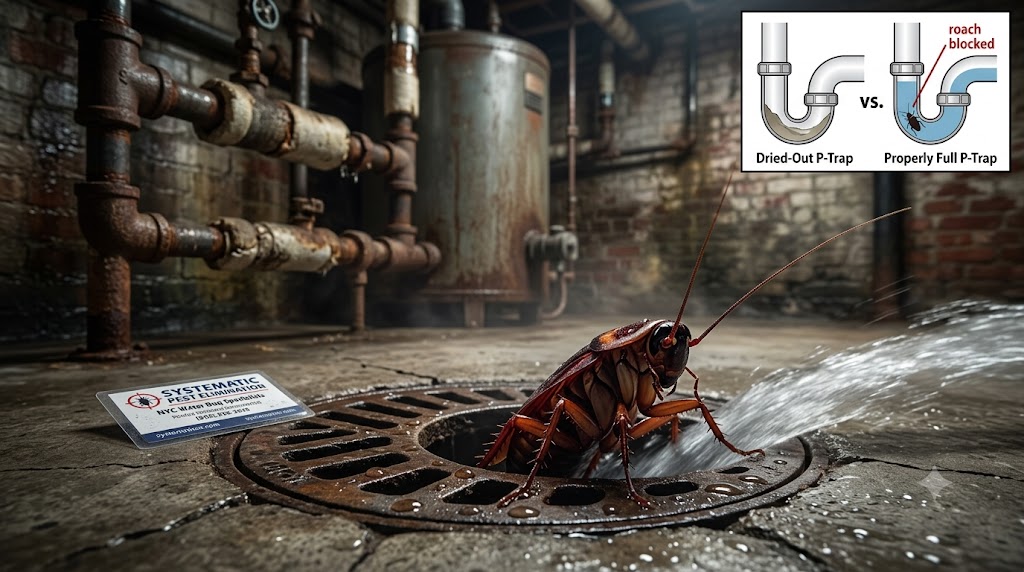
Think that giant armored insect in your bathroom is just a friendly “water bug”? Think again. Discover the truth behind NYC’s biggest pest myth, why they crawl up dry drains, and how to build a roach-proof fortress today.