Common Cockroach Hiding Spots in NYC’s Commercial Buildings

Common Cockroach Hiding Spots in NYC’s Commercial Buildings

Cockroaches are notoriously difficult to control because they can hide in some of the most unexpected and hard-to-reach places. In commercial buildings, these pests often go unnoticed until the infestation is severe. Knowing where cockroaches like to hide can help property managers and business owners take preventive measures and spot early signs of an infestation before it gets out of hand. Here are the most common cockroach hiding spots in NYC’s commercial buildings: Why Cockroaches Thrive in Commercial Buildings Commercial buildings in New York City provide an ideal environment for cockroaches to thrive. These pests are attracted to areas with plenty of food, water, and warmth, and they are experts at finding dark, hidden places to nest. In large buildings, such as offices, restaurants, and apartment complexes, cockroaches can spread quickly from one area to another, making it difficult to contain an infestation. 1. Kitchens and Food Prep Areas Cockroaches are commonly found in kitchens, restaurants, and other areas where food is prepared or stored. They are drawn to food scraps, grease, and moisture, making kitchen environments particularly vulnerable to infestations. Cockroaches often hide under stoves, refrigerators, and dishwashers, where food particles and moisture are plentiful. These areas are warm and dark, providing the perfect nesting spots. Cockroaches can easily access food stored in pantries or cabinets, especially if food is left in open containers. They may hide in the back of shelves or in crevices between cabinets. 2. Bathrooms and Utility Rooms Bathrooms and utility rooms provide cockroaches with access to water, which they need to survive. These areas are often warm and humid, making them ideal hiding spots. Cockroaches may hide behind toilets, where water leaks or condensation create a damp environment. They can also access pipes through gaps or cracks in the wall. The space under sinks, especially in kitchens and bathrooms, is a common hiding spot for cockroaches. Leaky pipes or pooled water can attract them to these areas. 3. Storage Rooms and Closets Storage rooms, janitorial closets, and supply areas are often less disturbed than other parts of a commercial building, making them attractive hiding spots for cockroaches. Cockroaches are known to hide in cardboard boxes and other storage containers. They can use these boxes as shelter and may even lay eggs inside them. Storage shelves, especially those near food supplies or cleaning products, provide cockroaches with dark crevices to hide. 4. Electrical Outlets and Equipment Cockroaches are drawn to warmth, and they often hide near electrical equipment that generates heat. This can make offices and commercial buildings with lots of electronics particularly susceptible to infestations. Cockroaches can hide inside electrical outlets, switches, and behind walls. The warmth and shelter provided by these areas make them ideal for nesting. Offices with lots of computers, printers, and other electronics can attract cockroaches, which may hide inside the equipment to stay warm. 5. Basements and Crawl Spaces Basements and crawl spaces are common hiding spots for cockroaches because they provide easy access to food and water. These areas are often dark and undisturbed, making them perfect for cockroach nests. Cockroaches are often found near water heaters, boilers, or HVAC units, where they can find warmth and moisture. Utility lines, such as plumbing or electrical wiring, often run through basements or crawl spaces. Cockroaches can enter buildings through gaps around these access points and hide in the surrounding areas. How to Prevent Cockroaches from Hiding in Your Building Preventing cockroach infestations requires a proactive approach to cleanliness and maintenance. Here are some tips to keep cockroaches from hiding in your commercial building: Keep kitchens, bathrooms, and storage areas clean by wiping down surfaces, sweeping floors, and taking out the trash regularly. Inspect your building for cracks, gaps, or holes in walls, floors, and ceilings. Seal these entry points to prevent cockroaches from gaining access. Fix leaky pipes, clean up standing water, and use dehumidifiers in damp areas to reduce the moisture that attracts cockroaches. Professional Cockroach Control Services If you suspect that cockroaches are hiding in your commercial building, professional pest control services can help identify and eliminate the infestation. The experts at Systematic Pest Control know where to look for cockroaches, even in the most hidden places, and can provide comprehensive treatments to keep your building pest-free.
Health Risks of a Cockroach Infestation in Your NYC Commercial Property

Health Risks of a Cockroach Infestation in Your NYC Commercial Property

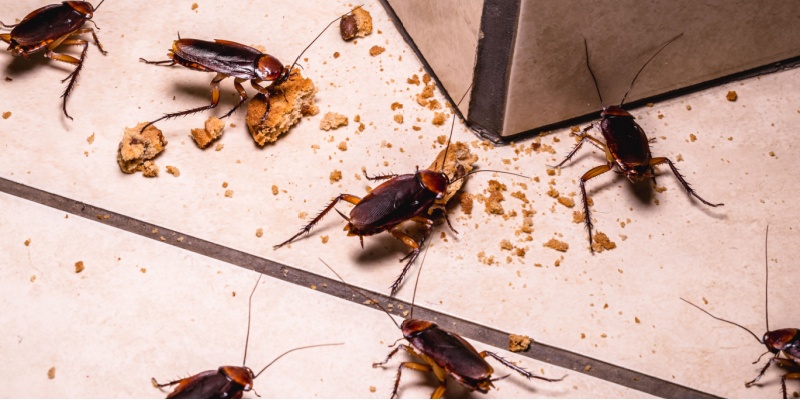
Health Risks of a Cockroach Infestation in Your NYC Commercial Property Cockroaches pose serious health risks, especially in high-traffic NYC commercial properties like restaurants, offices, and apartment buildings. These resilient pests spread bacteria, contaminate food, and trigger severe allergies. Consequently, an infestation represents a significant threat to the safety of your employees, tenants, and customers. By understanding the specific health risks associated with cockroaches, you can take swift action to eliminate them. Ultimately, proactive measures help you maintain a healthy and safe environment in your NYC property. Critical Health Risks Associated with Cockroaches Cockroaches act as known carriers for a variety of harmful bacteria, viruses, and parasites. These pests contaminate food, surfaces, and even the air we breathe. This leads to serious health issues for anyone in the vicinity. Specifically, you should be aware of the following common health risks: Why NYC Commercial Properties Face Unique Challenges New York City’s dense population and older infrastructure create a prime environment for cockroach infestations. Commercial properties remain especially vulnerable due to high foot traffic and abundant food waste. Effective Prevention Strategies for Your Property To protect your tenants and customers, you must take proactive steps to prevent an infestation from taking hold. Follow these essential guidelines: What to Do If You Suspect an Infestation If you notice signs like droppings, shed skins, or a musty odor, you must act immediately. Infestations escalate quickly in urban environments; therefore, professional intervention is your best defense. By partnering with Systematic Pest Control, you protect your commercial property from these dangerous health risks. Our team provides comprehensive treatment plans to eliminate cockroaches and prevent their return, ensuring a safe and clean environment for everyone.

How to Prevent Rat Infestations in NYC Apartments

How to Prevent Rat Infestations in NYC Apartments

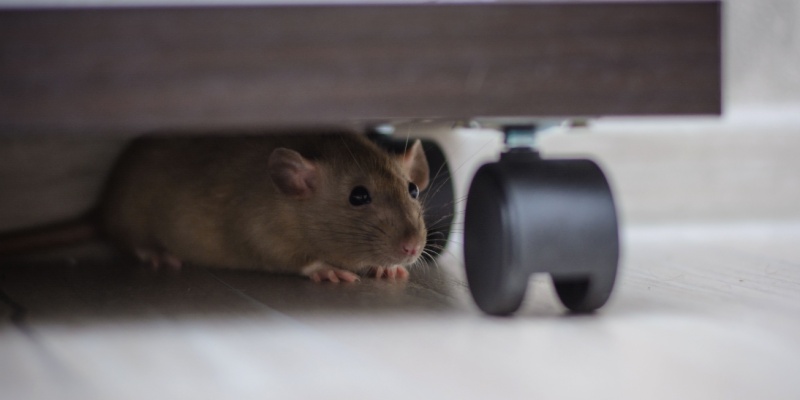
Rat infestations are a constant threat in New York City’s apartment buildings. However, you can prevent these pests from entering your home by using the right strategies. Rats are notorious for spreading diseases, contaminating food, and damaging property. Consequently, taking proactive measures to keep them out is essential. By following these prevention tips, you can significantly reduce the chances of a rat infestation in your NYC apartment. Why Rat Prevention is Important Rats are not only unsightly but also pose serious health risks to your family. Specifically, they carry diseases such as leptospirosis, salmonella, and hantavirus. They transmit these illnesses through their droppings, urine, and saliva. Furthermore, rats cause significant property damage by chewing through wiring, insulation, and even walls. Ultimately, preventing rats from entering your apartment is far easier and less costly than dealing with an active infestation. 1. Seal Entry Points Rats enter buildings through tiny cracks and gaps in walls, floors, and foundations. To prevent rats from gaining access to your apartment, you should follow these steps: 2. Keep Your Apartment Clean Rats hunt for food constantly, and even small crumbs can lure them into your home. Consequently, keeping your living space clean serves as one of the most effective ways to prevent an infestation: 3. Secure Trash Areas In NYC apartment buildings, shared trash areas often become the primary source of rat infestations. To stop rats from accessing garbage, ensure the building’s trash areas remain well-maintained: 4. Eliminate Water Sources Rats need water to survive, so they gravitate toward areas with standing water or leaky pipes. Addressing these water sources in your apartment can help keep rats away: 5. Maintain Shared Spaces Common areas like basements, hallways, and laundry rooms frequently provide entry points for rats. Therefore, you should work with your property manager to ensure these areas receive proper care: Professional Help for Rat Prevention Preventing rat infestations in NYC apartments requires a team effort between tenants and property managers. If you notice signs of rats, such as droppings or strange noises in the walls, you must act quickly. Systematic Pest Control provides comprehensive rat prevention strategies for the hospitality and residential sectors. Our experts seal entry points, set strategic traps, and provide ongoing monitoring to keep your apartment rat-free. By partnering with professionals, you ensure the long-term safety and cleanliness of your home.

Seasonal Rat Control Tips for New York City Apartment Buildings

Seasonal Rat Control Tips for New York City Apartment Buildings

Rats are a common problem in New York City apartment buildings year-round, but seasonal changes can influence their behavior and make infestations more likely at certain times of the year. Understanding how different seasons affect rat activity is essential for keeping these pests out of your apartment building. By taking proactive steps and adjusting your rat control strategies with the seasons, you can reduce the risk of an infestation and protect your building’s tenants. Why Seasonal Rat Control Matters Rats are highly adaptable creatures, and they adjust their behavior based on the availability of food, shelter, and weather conditions. In New York City, rats tend to move indoors during colder months to seek warmth and food, while warmer months can bring an increase in their breeding and activity. Seasonal rat control is crucial because different times of the year present unique challenges in keeping these pests at bay. Winter: Keeping Rats Out of Buildings Winter is one of the peak seasons for rat infestations in apartment buildings because rats seek warmth and shelter as temperatures drop. During this time, they may enter buildings through small cracks, gaps in the foundation, or even utility lines. Here are some key winter rat control tips: 1. Seal Entry Points Inspect the building’s exterior for cracks, holes, or gaps where rats can squeeze through. Pay attention to areas around windows, doors, vents, and utility lines. Seal any potential entry points with metal mesh, caulk, or steel wool. 2. Store Food Properly Rats are attracted to food, so encourage tenants to store food in airtight containers and avoid leaving food out overnight. Common areas, such as laundry rooms and lobbies, should be kept clean and free of food debris. 3. Regular Trash Removal Ensure that trash is removed regularly and stored in secure, rat-proof containers. Rats are highly attracted to garbage, and any access to food waste can quickly lead to an infestation. 4. Monitor Basements and Storage Areas These areas tend to be warm and undisturbed, making them prime spots for rats to nest. Regularly check these areas for signs of rat activity, such as droppings or gnaw marks. Spring: Preventing Breeding and Nesting As the weather warms up in the spring, rats become more active and begin breeding. Early spring is a critical time to prevent rats from nesting and multiplying in your apartment building: 1. Spring Cleaning Encourage tenants to participate in spring cleaning efforts, especially in storage areas and basements. Clutter provides excellent nesting sites for rats, so removing unnecessary items can reduce the risk of infestation. 2. Trim Landscaping Rats use overgrown vegetation as cover to get close to buildings. Trim bushes, trees, and shrubs around the property to eliminate hiding spots and reduce access to entry points. 3. Check for Damage The winter months can cause wear and tear on buildings, creating new entry points for rats. After winter, inspect the building for any damage and make necessary repairs to keep rats out. Summer: Controlling Food Sources and Waste Summer brings an increase in outdoor dining and food waste, which can attract rats to apartment buildings. Additionally, rats are more active in the warmer months and may be more likely to venture into common areas: 1. Secure Trash Areas Make sure that outdoor trash areas are properly maintained and that dumpsters are cleaned regularly. Trash should always be stored in rat-proof containers with tight-fitting lids to prevent access. 2. Maintain Clean Common Areas Outdoor areas, such as courtyards or playgrounds, should be kept free of food debris. Provide trash bins in common areas and ensure they are emptied regularly. 3. Install Door Sweeps Rats can easily slip under doors with gaps at the bottom. Installing door sweeps can help prevent them from entering the building, especially in high-traffic areas such as basements or storage rooms. Fall: Preparing for Winter As fall approaches, rats begin to seek warm places to spend the colder months. Fall is a crucial time to reinforce your rat control measures and prepare for winter: 1. Inspect Utility Lines Rats often enter buildings through gaps around utility lines. Make sure these areas are sealed tightly to prevent entry. 2. Set Traps Early Start setting rat traps or bait stations in areas where you’ve previously seen activity. Catching rats early in the fall can prevent them from moving indoors as temperatures drop. 3. Clean Gutters and Drains Rats are attracted to standing water, so keeping gutters and drains clear of debris can reduce potential water sources that attract them. Year-Round Pest Control Services While seasonal rat control measures are important, partnering with a professional pest control service ensures comprehensive protection year-round. Pest control experts can provide ongoing monitoring, baiting, and exclusion services to keep your apartment building rat-free, regardless of the season.