What Should I Do If My Commercial Property Has Bed Bugs?
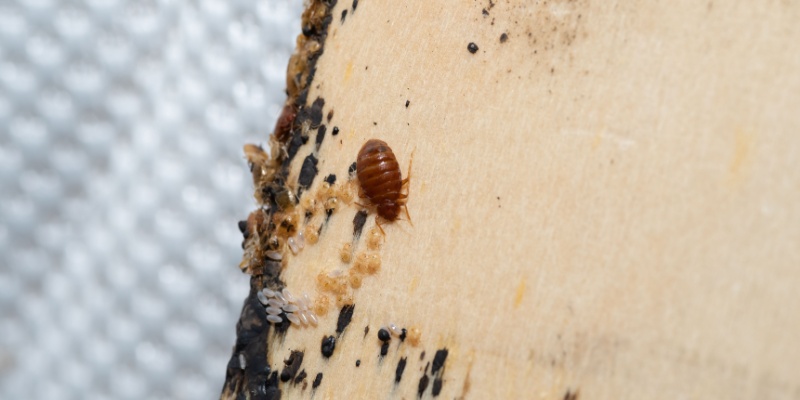
Bed bugs are a growing problem in commercial properties across New York City. A bed bug infestation can be particularly damaging to businesses like hotels, offices, and apartment buildings. Bed bugs can spread quickly and are difficult to eliminate without professional help. If you suspect that your commercial property has bed bugs, it’s important to take immediate action to prevent the infestation from worsening and protect your business’s reputation. Signs of a Bed Bug Infestation Bed bugs are small, brownish insects that feed on the blood of humans and animals. They are most commonly found in places where people sleep or rest, such as beds, couches, and upholstered furniture. However, they can also hide in other areas, such as cracks in walls, baseboards, and electrical outlets. Here are some common signs of a bed bug infestation: One of the first signs of a bed bug infestation is the appearance of small, red bites on the skin, typically in a line or cluster. These bites often occur at night while people are sleeping. After feeding, bed bugs can leave small blood stains on sheets, mattresses, or upholstery. If you notice these stains, it’s a strong indicator of bed bug activity. Bed bugs shed their skins as they grow, leaving behind small, pale exoskeletons. You may also notice tiny dark spots, which are bed bug excrement, on mattresses, furniture, or walls. In severe infestations, you may actually see live bed bugs hiding in cracks, crevices, or along mattress seams. Steps to Take If You Suspect Bed Bugs If you suspect that your commercial property has bed bugs, it’s important to act quickly to prevent the infestation from spreading. Here’s what you should do: 1. Contact a Professional Pest Control Service Bed bugs are notoriously difficult to eliminate, and DIY methods are often ineffective. The best way to deal with a bed bug infestation is to hire a professional pest control service with experience in bed bug treatment. Pest control experts will inspect your property, identify the extent of the infestation, and recommend a treatment plan to eliminate the bed bugs. 2. Isolate the Affected Area If possible, try to isolate the area where the bed bugs have been found to prevent them from spreading to other parts of your property. This may involve temporarily closing off rooms or areas where bed bugs are present until the infestation can be treated. 3. Inspect Surrounding Areas Bed bugs can easily spread from one area to another, so it’s important to inspect surrounding areas for signs of bed bugs. If your commercial property includes multiple rooms or units, such as in a hotel or apartment building, inspect all adjacent units to ensure that the infestation hasn’t spread. 4. Educate Staff and Tenants If your commercial property is a hotel, apartment building, or office, it’s important to inform staff or tenants about the bed bug situation and provide guidance on what to do if they notice signs of bed bugs. Educating them on how to identify bed bugs and prevent their spread can help contain the infestation. 5. Prepare for Treatment Professional bed bug treatments often require some preparation. This may include removing bedding, vacuuming affected areas, and laundering linens at high temperatures. Follow any instructions provided by your pest control service to ensure the treatment is as effective as possible. Why Professional Bed Bug Treatment Is Essential Bed bugs are resilient pests that can hide in tiny crevices and go without feeding for extended periods, making them difficult to eliminate without professional help. Professional pest control services use a combination of methods, including heat treatments, chemical treatments, and steam cleaning, to target bed bugs in all life stages. Ongoing monitoring and follow-up treatments may also be necessary to ensure that the infestation is fully eradicated. Preventing Future Bed Bug Infestations Once your property has been treated for bed bugs, it’s important to take preventive measures to avoid future infestations. Here are some tips: Schedule regular inspections with a professional pest control service to catch any signs of bed bugs early. Continue to educate staff and tenants about how to identify bed bugs and what to do if they suspect an infestation. Areas with frequent turnover, such as hotel rooms, apartments, or offices with shared furniture, should be closely monitored for signs of bed bugs. By taking swift action and working with a professional pest control service, you can eliminate bed bugs from your commercial property and protect your business from the damaging effects of an infestation.
How to Get Rid of Fruit Flies from Your Restaurant

Dealing with fruit flies in your restaurant can be frustrating, but with the right approach, you can eliminate these pests and prevent them from coming back. Fruit flies are attracted to food, moisture, and organic matter, so the key to getting rid of them is removing their food sources and breeding grounds. Here’s how you can effectively get rid of fruit flies and keep your restaurant pest-free: 1. Eliminate Breeding Grounds The first step in getting rid of fruit flies is identifying and eliminating their breeding sites. Fruit flies lay their eggs in moist, organic material, and removing these sources can significantly reduce their population. Fruit flies often breed in dirty drains where food particles and moisture accumulate. Use a commercial drain cleaner or a mixture of baking soda and vinegar to clean out your drains. Scrub the drain grates and pipes to remove any buildup where fruit flies might be laying eggs. Fruit flies are attracted to food waste and residue in trash bins. Make sure all trash bins are emptied regularly and cleaned thoroughly to remove any lingering food particles. Use liners in garbage bins to keep them clean and prevent residue buildup. Overripe or decaying fruits and vegetables are one of the main attractants for fruit flies. Make sure to store all produce in sealed containers or refrigerators, and dispose of any produce that has started to spoil. Avoid leaving fruits and vegetables out on counters or near prep areas. 2. Remove Food and Moisture Sources Fruit flies are drawn to sugary liquids and organic matter, so keeping your restaurant clean and dry is essential to getting rid of them. Spilled drinks, especially sugary ones like soda or juice, can attract fruit flies. Make sure all spills are cleaned up immediately, and regularly wipe down surfaces like bar counters, prep tables, and floors. Fruit flies can be attracted to sticky residues left on equipment like soda machines, coffee makers, and beer taps. Regularly wipe down all equipment and food prep surfaces to ensure they are clean and free of food or liquid residue. 3. Use Traps to Catch Fruit Flies While cleaning up their food sources is the best way to eliminate fruit flies, using traps can help reduce their numbers more quickly. Fruit fly traps can be an effective way to catch adult fruit flies and reduce their population. Commercial traps are available, but you can also make a simple trap by placing a mixture of apple cider vinegar and dish soap in a shallow dish. The vinegar attracts the fruit flies, and the dish soap prevents them from escaping. Some restaurants use UV light traps to catch flying insects like fruit flies. These traps use light to attract fruit flies and capture them on sticky pads. Be sure to place the traps near areas where fruit flies are most active, such as near drains or trash bins. 4. Prevent Future Infestations Once you’ve gotten rid of fruit flies, it’s important to take preventive measures to keep them from coming back. Make sure that doors and windows are properly sealed to prevent fruit flies from entering your restaurant. Install screens on windows and doors, and inspect them regularly for tears or gaps. Inspect all produce deliveries for signs of decay before bringing them into your restaurant. If you notice any overripe or spoiled fruits and vegetables, discard them immediately to avoid attracting fruit flies. Working with a professional pest control service can help prevent future infestations. Pest control experts can provide regular inspections and treatments to keep your restaurant fruit fly-free. By following these steps and maintaining a clean, dry environment, you can get rid of fruit flies and ensure they don’t return to your restaurant. You can also reach out to the pros at Systematic Pest Control to get help eliminating fruit flies and preventing a reinfestation.
Why Are Fruit Flies Taking Over My Restaurant?

If you’ve noticed an increase in fruit flies buzzing around your restaurant, you’re not alone. Fruit flies are a common pest problem for many restaurant owners, especially during the warmer months. These tiny pests may seem harmless, but they can quickly become a nuisance for both staff and customers. Understanding why fruit flies are attracted to your restaurant and how they find their way inside can help you take the necessary steps to get rid of them. What Attracts Fruit Flies to Restaurants? Fruit flies are small insects that are highly attracted to fermenting fruits, vegetables, and sugary liquids. While they may be drawn to the food itself, they’re also attracted to areas with moisture and organic matter, making restaurants a prime location for fruit flies to thrive. Here are the main reasons why fruit flies may be taking over your restaurant: 1. Rotting or Overripe Produce Fruit flies are most commonly drawn to decaying fruits and vegetables. If your restaurant leaves overripe produce out for too long or disposes of it improperly, fruit flies will quickly find their way to these food sources. 2. Food and Drink Spills Fruit flies are attracted to sugary liquids and organic material. If spills from soda, juice, beer, or other beverages are left uncleaned, fruit flies can quickly gather in these areas. Even small spills that go unnoticed under bar counters or near drink stations can attract fruit flies. 3. Dirty Drains Fruit flies often breed in the organic material that accumulates in drains. Kitchen and bar drains that haven’t been properly cleaned can become breeding grounds for fruit flies, as the buildup of food debris and moisture provides the ideal environment for them to lay eggs. 4. Garbage and Waste Areas Trash bins that aren’t emptied regularly or aren’t properly sealed can also attract fruit flies. Even if food waste is disposed of, any leftover residue in garbage bins or compost containers can lure these pests into your restaurant. How Fruit Flies Get Inside Your Restaurant Fruit flies are small enough to enter your restaurant through the tiniest of openings. Here are a few ways they might be finding their way inside: Fruit flies can enter through doors and windows that are left open, especially if your restaurant has outdoor seating or open-air entryways. Even if windows have screens, small tears or gaps can allow fruit flies to enter. Fruit flies can hitch a ride into your restaurant on produce that is delivered from suppliers. If the produce is already overripe or decaying, it’s more likely to bring fruit flies along with it. Fruit flies can enter through drains and plumbing, especially if the pipes aren’t regularly cleaned. They often lay eggs in drain traps, and adult flies can emerge from these areas if they aren’t properly treated. Why You Need to Address the Problem Quickly While fruit flies may seem like a minor nuisance, they can quickly become a larger problem if not addressed promptly. Not only can fruit flies annoy customers and staff, but they can also contaminate food and drinks, which could lead to food safety concerns. Additionally, the presence of fruit flies may signal unsanitary conditions, which can harm your restaurant’s reputation and even lead to health code violations during inspections. Reach out to Systematic Pest Control today to get help dealing with fruit flies at your restaurant.
The Role of Sanitation in Cockroach Prevention for NYC Restaurants

Cockroaches are a persistent threat to New York City restaurants, and one of the most effective ways to prevent an infestation is through strict sanitation practices. While professional pest control services are essential for eliminating cockroaches, maintaining a clean and hygienic environment can significantly reduce the chances of these pests entering and thriving in your restaurant. Understanding the role that sanitation plays in cockroach prevention can help restaurant owners protect their business, maintain health standards, and keep customers satisfied. Why Cockroaches Thrive in Unsanitary Environments Cockroaches are opportunistic pests that seek out environments where they have easy access to food, water, and shelter. In restaurants, these resources are often abundant, making them ideal breeding grounds for cockroaches if proper hygiene is not maintained. The presence of grease, food scraps, and even standing water in hard-to-reach places can attract cockroaches and encourage them to nest and multiply. Unfortunately, once a cockroach infestation takes hold, it can be difficult to control without professional intervention. The Importance of Sanitation in Cockroach Prevention Maintaining a clean and sanitary environment is the first line of defense against cockroach infestations in restaurants. Here are the key reasons why sanitation is critical: 1. Eliminating Food Sources Cockroaches can survive on even the smallest crumbs and food scraps. Regular cleaning of food prep areas, dining spaces, and storage areas ensures that there is no food left out for cockroaches to feed on. 2. Removing Water Sources Cockroaches need water to survive, and leaky pipes, standing water, or spills can provide the moisture they need. By fixing leaks promptly and drying any wet areas, you can make your restaurant less attractive to these pests. 3. Reducing Hiding Spots Cluttered or poorly maintained areas provide cockroaches with places to hide and nest. Keeping your kitchen, storage, and trash areas clean and organized reduces the number of potential hiding spots for cockroaches. Best Sanitation Practices for Cockroach Prevention in Restaurants To effectively prevent cockroaches from entering and thriving in your restaurant, it’s important to implement consistent sanitation practices. Here are some key steps you should take: 1. Daily Cleaning of Food Prep Areas After each shift, ensure that all kitchen surfaces, countertops, and cooking equipment are thoroughly cleaned and sanitized. This includes wiping down stovetops, grills, and fryers, as well as cleaning cutting boards, sinks, and prep tables. 2. Proper Waste Management Cockroaches are attracted to trash, so it’s crucial to empty garbage bins regularly and keep them sealed with tight-fitting lids. Outdoor dumpsters should also be cleaned regularly, and any spills should be cleaned up immediately. 3. Regular Deep Cleaning In addition to daily cleaning, schedule regular deep cleaning of your restaurant, paying special attention to hard-to-reach areas like under and behind appliances, inside cabinets, and in storage rooms. Deep cleaning should also include clearing grease traps and drains, as grease buildup is a major attractant for cockroaches. 4. Fix Leaks and Standing Water Promptly address any leaks in sinks, refrigerators, or dishwashers. Standing water should be dried up immediately to prevent cockroaches from finding water sources. 5. Organize and Declutter Storage Areas Keep storage areas neat and organized by avoiding clutter and removing unnecessary items. Cockroaches are known to hide in boxes, under shelves, and in corners, so keeping these areas clean and clear can reduce the chance of infestation. The Role of Professional Pest Control While sanitation plays a major role in preventing cockroach infestations, it is not always enough to keep these resilient pests out of your restaurant. Regular pest control services are essential for monitoring and treating any potential infestations. Professional pest control experts can inspect your restaurant, set traps, apply treatments, and offer ongoing monitoring to ensure that your restaurant remains cockroach-free. By combining strict sanitation practices with professional pest control services from Systematic Pest Control, you can significantly reduce the risk of a cockroach infestation and maintain a safe, clean, and welcoming environment for your customers and staff.
Common Cockroach Hiding Spots in NYC’s Commercial Buildings

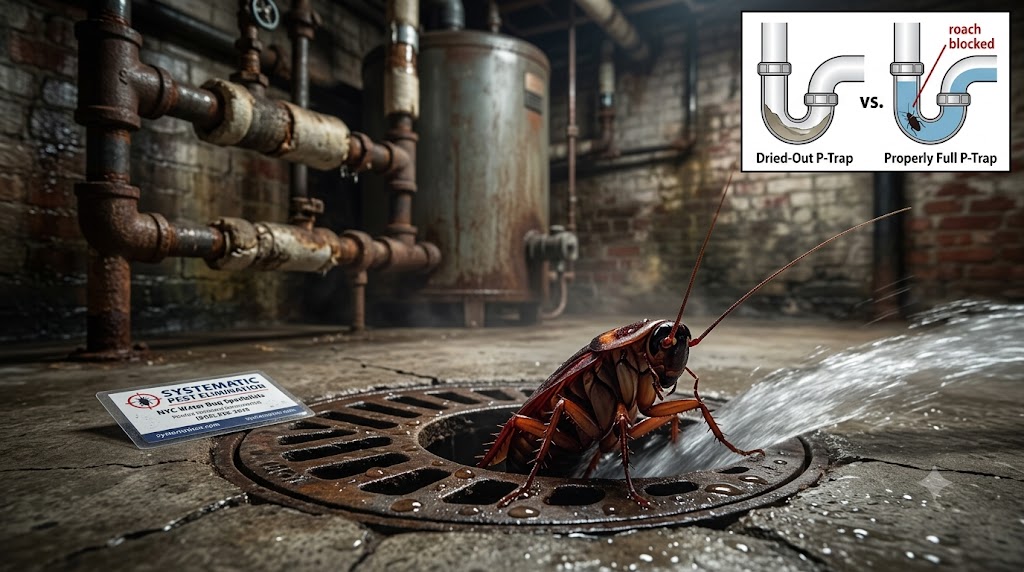
Cockroaches are notoriously difficult to control because they can hide in some of the most unexpected and hard-to-reach places. In commercial buildings, these pests often go unnoticed until the infestation is severe. Knowing where cockroaches like to hide can help property managers and business owners take preventive measures and spot early signs of an infestation before it gets out of hand. Here are the most common cockroach hiding spots in NYC’s commercial buildings: Why Cockroaches Thrive in Commercial Buildings Commercial buildings in New York City provide an ideal environment for cockroaches to thrive. These pests are attracted to areas with plenty of food, water, and warmth, and they are experts at finding dark, hidden places to nest. In large buildings, such as offices, restaurants, and apartment complexes, cockroaches can spread quickly from one area to another, making it difficult to contain an infestation. 1. Kitchens and Food Prep Areas Cockroaches are commonly found in kitchens, restaurants, and other areas where food is prepared or stored. They are drawn to food scraps, grease, and moisture, making kitchen environments particularly vulnerable to infestations. Cockroaches often hide under stoves, refrigerators, and dishwashers, where food particles and moisture are plentiful. These areas are warm and dark, providing the perfect nesting spots. Cockroaches can easily access food stored in pantries or cabinets, especially if food is left in open containers. They may hide in the back of shelves or in crevices between cabinets. 2. Bathrooms and Utility Rooms Bathrooms and utility rooms provide cockroaches with access to water, which they need to survive. These areas are often warm and humid, making them ideal hiding spots. Cockroaches may hide behind toilets, where water leaks or condensation create a damp environment. They can also access pipes through gaps or cracks in the wall. The space under sinks, especially in kitchens and bathrooms, is a common hiding spot for cockroaches. Leaky pipes or pooled water can attract them to these areas. 3. Storage Rooms and Closets Storage rooms, janitorial closets, and supply areas are often less disturbed than other parts of a commercial building, making them attractive hiding spots for cockroaches. Cockroaches are known to hide in cardboard boxes and other storage containers. They can use these boxes as shelter and may even lay eggs inside them. Storage shelves, especially those near food supplies or cleaning products, provide cockroaches with dark crevices to hide. 4. Electrical Outlets and Equipment Cockroaches are drawn to warmth, and they often hide near electrical equipment that generates heat. This can make offices and commercial buildings with lots of electronics particularly susceptible to infestations. Cockroaches can hide inside electrical outlets, switches, and behind walls. The warmth and shelter provided by these areas make them ideal for nesting. Offices with lots of computers, printers, and other electronics can attract cockroaches, which may hide inside the equipment to stay warm. 5. Basements and Crawl Spaces Basements and crawl spaces are common hiding spots for cockroaches because they provide easy access to food and water. These areas are often dark and undisturbed, making them perfect for cockroach nests. Cockroaches are often found near water heaters, boilers, or HVAC units, where they can find warmth and moisture. Utility lines, such as plumbing or electrical wiring, often run through basements or crawl spaces. Cockroaches can enter buildings through gaps around these access points and hide in the surrounding areas. How to Prevent Cockroaches from Hiding in Your Building Preventing cockroach infestations requires a proactive approach to cleanliness and maintenance. Here are some tips to keep cockroaches from hiding in your commercial building: Keep kitchens, bathrooms, and storage areas clean by wiping down surfaces, sweeping floors, and taking out the trash regularly. Inspect your building for cracks, gaps, or holes in walls, floors, and ceilings. Seal these entry points to prevent cockroaches from gaining access. Fix leaky pipes, clean up standing water, and use dehumidifiers in damp areas to reduce the moisture that attracts cockroaches. Professional Cockroach Control Services If you suspect that cockroaches are hiding in your commercial building, professional pest control services can help identify and eliminate the infestation. The experts at Systematic Pest Control know where to look for cockroaches, even in the most hidden places, and can provide comprehensive treatments to keep your building pest-free.
Health Risks of a Cockroach Infestation in Your NYC Commercial Property

Cockroaches pose serious health risks, especially in commercial properties like restaurants, offices, and apartment buildings. These pests are known for their ability to spread bacteria, contaminate food, and trigger allergies, making a cockroach infestation a significant threat to the health and safety of your employees, tenants, and customers. Understanding the health risks associated with cockroaches can help you take swift action to eliminate them and maintain a healthy, safe environment in your NYC commercial property. The Health Risks of Cockroaches Cockroaches are known carriers of a variety of harmful bacteria, viruses, and parasites. These pests can contaminate food, surfaces, and air, leading to serious health issues for anyone exposed to them. Here are some of the most common health risks associated with a cockroach infestation: Cockroaches are often found in kitchens and food storage areas, where they can contaminate food with bacteria such as salmonella and E. coli. When cockroaches crawl over food, utensils, or preparation surfaces, they leave behind bacteria that can cause foodborne illnesses in humans. Cockroach droppings, saliva, and shed body parts can trigger allergic reactions in some people. In fact, cockroaches are one of the most common indoor allergens, and exposure to them can worsen asthma symptoms, especially in children. Cockroaches are known to spread diseases, including dysentery, gastroenteritis, and typhoid fever. These diseases can be transmitted to humans through contact with contaminated surfaces, food, or water. Cockroaches can also carry parasites such as tapeworms and hookworms, which can infect humans if they come into contact with contaminated food or surfaces. Why Cockroaches Are a Problem in NYC Commercial Properties New York City’s dense population, abundance of food sources, and older buildings make it a prime environment for cockroach infestations. Commercial properties, in particular, are vulnerable to cockroach infestations due to the high volume of people, food waste, and hidden areas where cockroaches can thrive. 1. Restaurants and Food Establishments Cockroaches are especially problematic in restaurants and food establishments, where they can contaminate food and utensils, leading to health code violations and potential shutdowns. 2. Office Buildings In office settings, cockroaches can contaminate break rooms, kitchens, and bathrooms, putting employees at risk of illness. Cockroach allergens can also contribute to poor indoor air quality, affecting employee health and productivity. 3. Apartment Buildings In multi-unit apartment buildings, cockroaches can easily spread from one unit to another, putting all residents at risk of exposure to the health hazards they bring. How to Prevent Cockroach Infestations in Your Commercial Property To protect the health of your employees, tenants, or customers, it’s important to take proactive steps to prevent a cockroach infestation. Here’s how: A clean environment is less attractive to cockroaches. Ensure that all food preparation areas, break rooms, and bathrooms are regularly cleaned and sanitized. Promptly remove food waste, and avoid leaving dirty dishes out overnight. In restaurants, offices, and apartment kitchens, store food in sealed containers to prevent cockroaches from accessing it. Encourage employees or tenants to clean up after meals and avoid leaving food out in common areas. Cockroaches can enter through small cracks, gaps, and openings in walls, floors, and utility lines. Inspect your property for potential entry points and seal them with caulk or other appropriate materials. Ensure that garbage is removed regularly and stored in secure, sealed bins. Cockroaches are attracted to trash, so keeping waste areas clean and secure is essential for preventing infestations. What to Do If You Suspect a Cockroach Infestation If you notice signs of a cockroach infestation, such as droppings, shed skins, or a strong musty odor, it’s important to act quickly to eliminate the problem. Professional pest control services can provide a comprehensive treatment plan to eliminate cockroaches and prevent them from returning. Cockroach infestations can quickly get out of control, so don’t wait to address the problem. By working with Systematic Pest Control, you can protect your commercial property from the health risks associated with cockroaches and maintain a safe, clean environment for everyone.
How to Prevent Rat Infestations in NYC Apartments

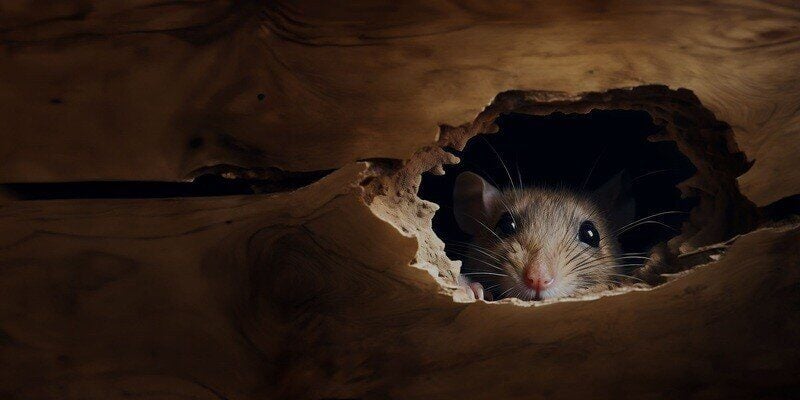
Rat infestations are a constant threat in New York City’s apartment buildings, but preventing these pests from entering your home is possible with the right strategies. Rats are notorious for spreading diseases, contaminating food, and damaging property, making it essential to take proactive measures to keep them out. By following these prevention tips, you can reduce the chances of a rat infestation in your NYC apartment. Why Rat Prevention is Important Rats are not only unsightly but also pose serious health risks. They carry diseases such as leptospirosis, salmonella, and hantavirus, which can be transmitted through their droppings, urine, and saliva. Rats can also cause significant property damage by chewing through wiring, insulation, and even walls. Preventing rats from entering your apartment is far easier and less costly than dealing with an active infestation. 1. Seal Entry Points Rats can enter buildings through tiny cracks and gaps in walls, floors, and foundations. To prevent rats from gaining access to your apartment: Regularly check your apartment for any holes, cracks, or gaps in the walls, around windows and doors, or near plumbing lines. Seal any potential entry points with materials like steel wool, metal mesh, or caulk. Rats can squeeze under doors with even small gaps. Installing door sweeps can help prevent them from entering through doorways, especially in basements and hallways. 2. Keep Your Apartment Clean Rats are attracted to food, and even small crumbs or food debris can lure them into your apartment. Keeping your living space clean is one of the most effective ways to prevent a rat infestation: Avoid leaving food out on countertops, and always store pantry items in airtight containers. This reduces the likelihood of attracting rats to your kitchen or dining area. Sweep and vacuum your floors regularly to remove crumbs and food debris. Pay special attention to areas where food is prepared or eaten, such as kitchens and dining rooms. Rats are drawn to garbage, so make sure to take out the trash regularly and keep it in a sealed, rat-proof bin. Avoid letting trash accumulate in your apartment, as this can attract rats. 3. Secure Trash Areas In apartment buildings, shared trash areas can be a common source of rat infestations. To prevent rats from accessing garbage, ensure that the building’s trash areas are well-maintained: Trash bins should have tight-fitting lids to prevent rats from accessing food waste. Make sure outdoor dumpsters are also securely closed to keep rats out. Trash areas should be cleaned regularly to remove food debris and spills that could attract rats. Property managers should ensure that these areas are properly maintained to prevent infestations. 4. Eliminate Water Sources Rats need water to survive, and they are attracted to areas with standing water or leaky pipes. Addressing any potential water sources in your apartment can help keep rats away: Check for leaks in sinks, bathrooms, and laundry areas. Even small drips can provide enough water to attract rats, so fixing leaks promptly is important. If your apartment has damp areas, such as basements or storage rooms, use dehumidifiers or fans to keep the area dry and less attractive to rats. 5. Maintain Shared Spaces In apartment buildings, common areas like basements, hallways, and laundry rooms can also provide entry points for rats. Work with your property manager to ensure these areas are properly maintained: Make sure basements, storage areas, and other common spaces are regularly inspected for signs of rats, such as droppings or gnaw marks. Setting traps in common areas can help catch any rats that may be attempting to enter the building. Check traps regularly and dispose of caught rats properly. Professional Help for Rat Prevention Preventing rat infestations in NYC apartments is a team effort between tenants and property managers. If you notice signs of rats, such as droppings, gnaw marks, or strange noises in the walls, it’s important to act quickly. Professional pest services from Systematic Pest Control can provide comprehensive rat prevention strategies, including sealing entry points, setting traps, and providing ongoing monitoring to keep your apartment rat-free.
Seasonal Rat Control Tips for New York City Apartment Buildings

Rats are a common problem in New York City apartment buildings year-round, but seasonal changes can influence their behavior and make infestations more likely at certain times of the year. Understanding how different seasons affect rat activity is essential for keeping these pests out of your apartment building. By taking proactive steps and adjusting your rat control strategies with the seasons, you can reduce the risk of an infestation and protect your building’s tenants. Why Seasonal Rat Control Matters Rats are highly adaptable creatures, and they adjust their behavior based on the availability of food, shelter, and weather conditions. In New York City, rats tend to move indoors during colder months to seek warmth and food, while warmer months can bring an increase in their breeding and activity. Seasonal rat control is crucial because different times of the year present unique challenges in keeping these pests at bay. Winter: Keeping Rats Out of Buildings Winter is one of the peak seasons for rat infestations in apartment buildings because rats seek warmth and shelter as temperatures drop. During this time, they may enter buildings through small cracks, gaps in the foundation, or even utility lines. Here are some key winter rat control tips: 1. Seal Entry Points Inspect the building’s exterior for cracks, holes, or gaps where rats can squeeze through. Pay attention to areas around windows, doors, vents, and utility lines. Seal any potential entry points with metal mesh, caulk, or steel wool. 2. Store Food Properly Rats are attracted to food, so encourage tenants to store food in airtight containers and avoid leaving food out overnight. Common areas, such as laundry rooms and lobbies, should be kept clean and free of food debris. 3. Regular Trash Removal Ensure that trash is removed regularly and stored in secure, rat-proof containers. Rats are highly attracted to garbage, and any access to food waste can quickly lead to an infestation. 4. Monitor Basements and Storage Areas These areas tend to be warm and undisturbed, making them prime spots for rats to nest. Regularly check these areas for signs of rat activity, such as droppings or gnaw marks. Spring: Preventing Breeding and Nesting As the weather warms up in the spring, rats become more active and begin breeding. Early spring is a critical time to prevent rats from nesting and multiplying in your apartment building: 1. Spring Cleaning Encourage tenants to participate in spring cleaning efforts, especially in storage areas and basements. Clutter provides excellent nesting sites for rats, so removing unnecessary items can reduce the risk of infestation. 2. Trim Landscaping Rats use overgrown vegetation as cover to get close to buildings. Trim bushes, trees, and shrubs around the property to eliminate hiding spots and reduce access to entry points. 3. Check for Damage The winter months can cause wear and tear on buildings, creating new entry points for rats. After winter, inspect the building for any damage and make necessary repairs to keep rats out. Summer: Controlling Food Sources and Waste Summer brings an increase in outdoor dining and food waste, which can attract rats to apartment buildings. Additionally, rats are more active in the warmer months and may be more likely to venture into common areas: 1. Secure Trash Areas Make sure that outdoor trash areas are properly maintained and that dumpsters are cleaned regularly. Trash should always be stored in rat-proof containers with tight-fitting lids to prevent access. 2. Maintain Clean Common Areas Outdoor areas, such as courtyards or playgrounds, should be kept free of food debris. Provide trash bins in common areas and ensure they are emptied regularly. 3. Install Door Sweeps Rats can easily slip under doors with gaps at the bottom. Installing door sweeps can help prevent them from entering the building, especially in high-traffic areas such as basements or storage rooms. Fall: Preparing for Winter As fall approaches, rats begin to seek warm places to spend the colder months. Fall is a crucial time to reinforce your rat control measures and prepare for winter: 1. Inspect Utility Lines Rats often enter buildings through gaps around utility lines. Make sure these areas are sealed tightly to prevent entry. 2. Set Traps Early Start setting rat traps or bait stations in areas where you’ve previously seen activity. Catching rats early in the fall can prevent them from moving indoors as temperatures drop. 3. Clean Gutters and Drains Rats are attracted to standing water, so keeping gutters and drains clear of debris can reduce potential water sources that attract them. Year-Round Pest Control Services While seasonal rat control measures are important, partnering with a professional pest control service ensures comprehensive protection year-round. Pest control experts can provide ongoing monitoring, baiting, and exclusion services to keep your apartment building rat-free, regardless of the season.
Rodent Proofing Your NYC Restaurant: Essential Tips to Keep Rats Away

New York City’s restaurants are prime targets for rats, thanks to the abundance of food and hiding spots they offer. A single rat sighting in your restaurant can damage your reputation and lead to costly fines or even closure by the health department. That’s why rodent-proofing your restaurant is essential for keeping rats away and protecting your business. Here are some key strategies for keeping rats out of your NYC restaurant: 1. Seal Entry Points Rats can squeeze through openings as small as a quarter, making it crucial to seal any potential entry points in your restaurant. Here’s what to look for: Inspect the exterior of your building for cracks, gaps, or holes in walls, windows, and doors. Use caulk, steel wool, or metal mesh to seal these openings. Rats can enter through gaps around utility lines, such as plumbing and electrical cables. Make sure these areas are properly sealed to prevent rats from sneaking in. Rats can access your restaurant through floor drains, so it’s important to install rat guards or covers to prevent entry. 2. Keep Food and Waste Secure Rats are attracted to food, so proper storage and waste management are critical for keeping them out of your restaurant. Follow these guidelines to prevent rats from finding a food source: All food should be stored in sealed, rat-proof containers, preferably made of metal or thick plastic. Avoid leaving food out overnight, and make sure pantry areas are clean and organized. Food spills and crumbs are an open invitation for rats. Make sure your kitchen and dining areas are cleaned thoroughly at the end of each day, and wipe down all surfaces regularly. Rats are attracted to garbage, so use heavy-duty, rat-proof trash bins with tight-fitting lids. Keep outdoor dumpsters clean and well-maintained, and dispose of garbage regularly to avoid attracting rats. 3. Maintain a Clean Environment Cleanliness is one of the most effective ways to prevent a rat infestation in your restaurant. Rats thrive in unsanitary conditions, so maintaining a clean environment is key: Don’t forget to clean under and behind appliances, where food debris can accumulate. Pay special attention to areas near dishwashers, ovens, and refrigerators. After each shift, thoroughly sanitize all food prep areas, counters, and floors to remove any food residue. Grease traps can attract rats if not emptied regularly. Make sure grease traps are cleaned and maintained according to your restaurant’s schedule. 4. Inspect and Maintain Your Building Regular inspections and maintenance are crucial for keeping rats out of your restaurant. Here’s what to focus on: Conduct regular inspections of your building, paying close attention to areas where rats might enter, such as basements, storage rooms, and garbage areas. Rats can chew through wood, insulation, and even electrical wiring. Repair any structural damage immediately to prevent rats from using it as an entry point. Look for signs of rat activity, such as droppings, gnaw marks, and grease trails along walls. If you notice any of these signs, take immediate action to address the problem. 5. Work with Professional Pest Control Services Even with the best prevention measures in place, rats can still find a way into your restaurant. That’s why partnering with a professional pest control service is essential. Pest control experts can help you: Regular pest control inspections help identify potential entry points and signs of infestation before they become a major issue. Pest control professionals can strategically place traps and bait stations around your restaurant to catch rats before they cause problems. Continuous monitoring ensures that your restaurant stays rat-free, even during peak pest seasons. Protect Your Restaurant and Reputation By taking these steps to rodent-proof your NYC restaurant, you can prevent rats from gaining access to your business and protect your reputation. A clean, rat-free environment is essential for customer satisfaction and compliance with health department regulations. Don’t wait for a rat problem to arise—invest in professional rodent-proofing services to keep your restaurant safe and pest-free.
The Legal Consequences of Rat Infestations in NYC Restaurants

Rat infestations in restaurants are not only a health and safety issue but also come with serious legal consequences. New York City’s health department has strict regulations regarding pest control in food establishments, and restaurants that fail to comply can face significant fines, poor health inspection grades, and even closures. Understanding the legal ramifications of a rat infestation can help restaurant owners take the necessary steps to avoid legal trouble and protect their businesses. NYC Health Department Regulations on Pest Control The New York City Department of Health (DOH) has clear regulations for pest control in restaurants. Under these regulations, restaurants must maintain a clean and sanitary environment, free from pests such as rats, mice, and insects. Failing to meet these standards can result in violations, fines, and poor inspection grades. Health inspectors conduct routine inspections to ensure compliance with city regulations. During these inspections, they look for signs of pest activity, including rat droppings, gnaw marks, and grease trails. If an inspector finds evidence of a rat infestation, the restaurant can be cited for a violation, which could result in significant penalties. Fines and Penalties for Rat Infestations The fines for pest control violations in New York City can be steep. Depending on the severity of the infestation, fines can range from several hundred to several thousand dollars. Multiple violations can lead to cumulative fines, further increasing the financial burden on the restaurant owner. In addition to fines, restaurants may receive a poor health inspection grade if rats are present. In New York City, health inspection grades are posted publicly, and a low grade (such as a “C” rating) can severely impact a restaurant’s reputation, leading to a loss of customers and revenue. Temporary Closures Due to Infestations In cases of severe rat infestations, the health department has the authority to temporarily close a restaurant until the issue is resolved. A closure order is a worst-case scenario for any restaurant owner, as it can result in significant financial losses and long-term damage to the restaurant’s reputation. Before reopening, the restaurant must pass a follow-up inspection to ensure that the rat problem has been fully addressed. This often involves hiring professional pest control services, deep cleaning the premises, and making any necessary repairs to prevent rats from returning. Lawsuits and Liability Risks In addition to fines and closures, restaurants with rat infestations may face legal action from customers or employees who are affected by the presence of rats. For example, if a customer becomes ill after eating contaminated food or a staff member is injured by a rat-related hazard (such as a fire caused by rats chewing through electrical wiring), the restaurant owner may be held liable for damages. Lawsuits related to rat infestations can be costly, both financially and in terms of the damage to the restaurant’s reputation. Even if the restaurant wins the case, the negative publicity can be difficult to overcome. Steps to Avoid Legal Consequences To avoid the legal consequences of a rat infestation, restaurant owners should take a proactive approach to pest control. Here are some key steps to take: 1. Regular Pest Control Inspections Work with a professional pest control service to conduct regular inspections and treatments. Early detection and prevention are essential to keeping rats out of your restaurant. 2. Maintain Sanitation Standards A clean restaurant is less likely to attract rats. Ensure that all food prep areas, storage areas, and waste disposal areas are regularly cleaned and sanitized. 3. Respond Quickly to Complaints If a customer or employee reports seeing rats or signs of a rat infestation, take immediate action to address the issue. Ignoring complaints can lead to larger problems down the line. 4. Document Pest Control Efforts Keep records of all pest control efforts, including inspections, treatments, and repairs. If a legal issue arises, having documentation of your efforts to maintain a pest-free environment can be valuable in defending your business. By staying compliant with health department regulations and taking proactive steps to prevent rat infestations, restaurant owners can avoid costly fines, closures, and lawsuits, while protecting their business and reputation. The pros at Systematic Pest Elimination can help you protect your restaurant from rats – and the consequences that come with an infestation – reach out today.