The Overhead Threat: Comprehensive Pigeon Exclusion for NYC Commercial Properties
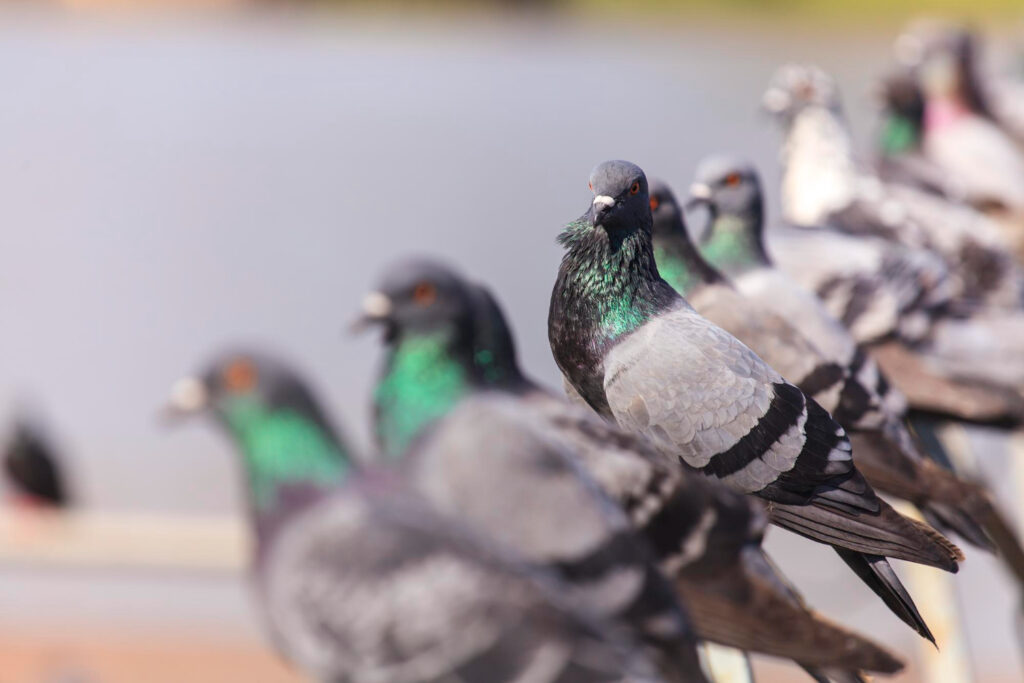
When New Yorkers think of property damage and urban pests, their minds immediately go to street level. However, comprehensive pigeon exclusion is fast becoming the top priority for building owners across the five boroughs. Left unchecked, failing to invest in structural pigeon exclusion allows these birds to destroy building infrastructure. Furthermore, they can easily corrode expensive HVAC equipment and cause costly municipal health violations. The common rock pigeon (Columba livia) is not just an aesthetic nuisance on a ledge. In fact, a localized pigeon population can rapidly destroy building infrastructure. Consequently, executing a permanent, architectural-grade pigeon exclusion strategy is no longer optional. As NYC tightens building maintenance codes, it is now a critical part of asset preservation. The True Cost of Neglect: Acid, Aesthetics, and Air Quality Pigeons are creatures of habit. Once they establish a nesting or roosting site on a building, they will not leave voluntarily. For instance, they love decorative molding, parapets, and window AC banks. This persistence ultimately leads to three major structural crises: 1. Accelerated Material Degradation Pigeon droppings contain highly concentrated uric acid. Over time, this biological waste eats through protective coatings. As a result, it heavily corrodes: 2. HVAC and Air Intake Contamination Rooftop units (RTUs) are prime real estate for avian nesting. Unfortunately, feathers, nesting debris, and dried waste frequently get pulled directly into commercial air handling systems. This severely compromises indoor air quality. Therefore, it puts buildings at risk of violating local environmental standards. 3. The 311 & Department of Buildings (DOB) Paper Trail Accumulated avian waste on sidewalks, entryways, or fire escapes regularly triggers citizen 311 complaints. Consequently, these complaints lead to sudden, costly inspections. Properties can then face heavy fines from the Department of Health or the DOB. Modern Architectural Exclusion: Beyond the Plastic Owl Deterrents like plastic owls or rubber snakes do not work in a dense urban environment. This is because birds adapt to them within days. Instead, true structural pest elimination relies on physical alterations. These changes permanently deny access to the building’s geometry. Stealth Netting for Heavy Pressure Areas For large open spaces, recessed balconies, or complex rooftop HVAC clusters, total exclusion via Stealth Netting is the industry gold standard. These nets are constructed from UV-stabilized polyethylene. Because of this, they are virtually invisible from street level when properly tensioned. They keep historical building aesthetics perfectly intact while creating a 100% impenetrable barrier. Precision Bird Wire for Historical Facades Sometimes, your property features landmarked architectural elements where visible spikes are prohibited. In these cases, Tensioned Bird Wire Systems offer a minimalist alternative. Stainless steel posts are anchored into mortar joints to support a nylon-coated wire. Crucially, the wire is suspended millimeters above the ledge. This setup destabilizes the landing surface completely, forcing birds to move on without altering the building’s profile. The Clean-Up: Remediation and Biosecurity Installing exclusion devices without properly sanitizing the site first is a major tactical error. Dried droppings harbor dangerous spores. Indeed, these spores can cause severe respiratory conditions if they are disturbed. For this reason, professional exclusion always includes a multi-phase bio-remediation protocol: Pro-Tip for Property Managers: Always schedule your avian remediation projects concurrently with scheduled facade inspections (like FISP / Local Law 11 cycles). By doing so, you can drastically optimize scaffolding and rigging costs. Protect Your Investment From the Top Down Pigeon mitigation is not about chasing birds away temporarily. Rather, it is an engineering solution to an environmental problem. By investing in permanent, high-durability physical barriers, you protect your building’s facade. Ultimately, you secure your indoor air quality and stay well ahead of city inspectors.