Property Management Pest Elimination NYC
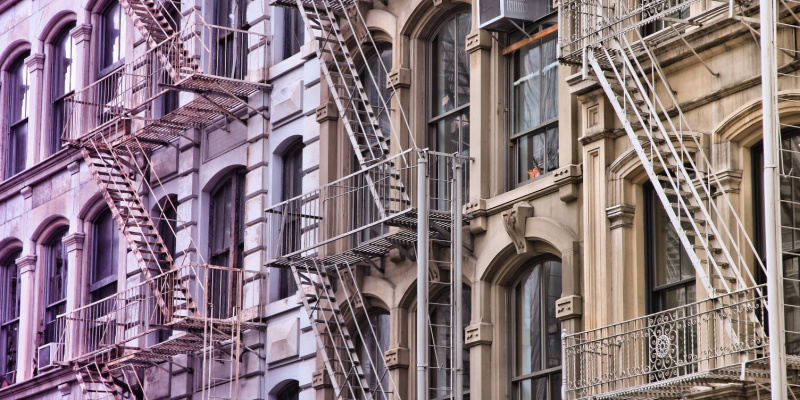
Property management in New York City comes with its own set of unique challenges. Among these, pest infestations remain one of the most persistent and damaging issues for building owners. Because the city’s dense urban environment provides ample warmth and food, pests like rodents, cockroaches, and bedbugs thrive easily. Therefore, a comprehensive approach to Property Management Pest Elimination NYC is essential for any successful manager. Specifically, you must focus on prevention, early intervention, and collaboration with professional experts to keep your building safe. Prioritize Prevention with Inspections and Monitoring Since New York City ranks as one of the top three US cities for pest activity, routine inspections are crucial for early detection. You should partner with pest experts to conduct regular checks of the property. Consequently, early intervention prevents small issues from turning into full-blown infestations. Furthermore, you must regularly inspect the property’s exterior for cracks and gaps. Always seal these openings with appropriate materials like caulk or steel wool to deny pests access to the building. Educate Tenants to Improve Results Tenant cooperation is essential for maintaining a pest-free environment. For this reason, you should educate tenants about the importance of proper waste disposal and cleanliness. Most importantly, encourage them to report pest sightings promptly. Because clear communication stops small problems from spreading, it remains a vital part of your management strategy. Regular Maintenance and Waste Management A well-maintained property is much less likely to attract unwanted visitors. Therefore, you should regularly inspect common areas, stairwells, and basements for signs of activity. Specifically, address any leaks or plumbing issues immediately, as moisture creates a conducive environment for pests. Furthermore, manage your waste with strict protocols. Pests hunt for accessible food sources; consequently, you must ensure that trash bins stay securely covered. Encourage your tenants to use sealed bags and avoid leaving trash in hallways or outside their units. Implement Integrated Pest Management (IPM) The NYC Health Department suggests that you should only use pesticides as a last resort. Instead, adopt Integrated Pest Management (IPM), which is a holistic approach emphasizing prevention and monitoring. When you collaborate with professional pest elimination services, look for those that specialize in IPM. These experts conduct thorough inspections and create customized plans that minimize chemical use while maximizing results. Use Effective Traps and Specialized Care Professional Partnership and Emergency Response Collaborate with licensed professionals who have specific experience in urban environments. These experts assess your property’s unique needs and provide long-term prevention guidance. Additionally, you should have an emergency response plan in place for severe infestations. This plan should include clear procedures for tenant communication and coordination with Systematic Pest Elimination. Ultimately, staying updated on NYC rental regulations ensures your practices remain compliant and effective. By prioritizing prevention and professional collaboration, you can successfully navigate the challenges of NYC pest control and ensure the well-being of your tenants.
Rat Problems in NYC Apartment Buildings
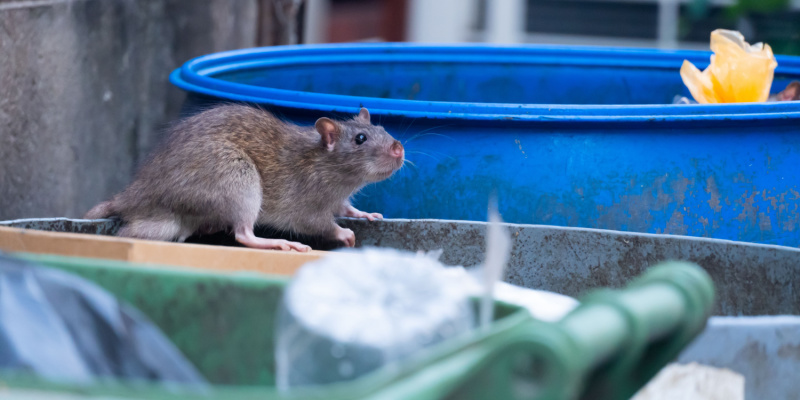
New York City’s iconic skyline and bustling streets attract millions of people from around the world; however, its urban charm comes with a less glamorous companion: rats. Rat problems in NYC apartment buildings have long been a persistent issue. This problem stems from a combination of factors unique to the city’s dense and diverse environment. In this article, we’ll delve into the causes, effects, and potential solutions to the rat problems that plague apartment residents in the Big Apple. Causes of Rat Problems 1. Urban Density The sheer density of NYC provides rats with ample hiding spots and easy access to food. Specifically, the close proximity of towering skyscrapers and tightly packed alleyways creates an ideal environment for rats to thrive. Consequently, these rodents move between structures without ever being seen. 2. Abundant Food Sources Rats are opportunistic feeders. Because NYC offers a steady supply of food from restaurants, street vendors, and discarded waste, these pests never go hungry. Furthermore, improperly sealed garbage bins attract rats in search of an easy meal. 3. Inadequate Waste Management Improper waste disposal practices contribute significantly to infestations. For example, leaving trash bags in hallways or failing to secure bins creates a feast for rodents. Since rats can easily tear through plastic bags, poor management only exacerbates the problem. 4. Building Structures and Gaps Older apartment buildings often contain cracks, holes, and gaps in their foundations. These openings serve as primary entry points for rats. Therefore, even a small opening allows a rodent to infiltrate and find shelter within your building. Effects of Rat Infestations Solutions and Mitigation Strategies 1. Improved Waste Management Proper waste disposal serves as your first line of defense. Building management must ensure that garbage bins remain tightly sealed. Additionally, you should educate residents about proper disposal practices to keep common areas clean. 2. Sealing Entry Points Regular maintenance is essential for long-term success. Specifically, you must seal cracks and gaps in the building’s structure to prevent rats from entering. 3. Professional Pest Elimination Measures If an infestation occurs, you should hire Systematic Pest Elimination to assess the extent of the problem. Our experts implement targeted measures, including baiting and ongoing monitoring. Consequently, we ensure the problem is managed effectively rather than just temporarily hidden. 4. Community Involvement and Upgrades Engaging residents in prevention efforts fosters a sense of collective responsibility. Furthermore, investing in building upgrades—such as rat-resistant waste systems—makes a significant difference. As residents and management work together, NYC’s apartment buildings can remain havens of comfort and safety.
Eliminating Rats From NYC Apartment Buildings
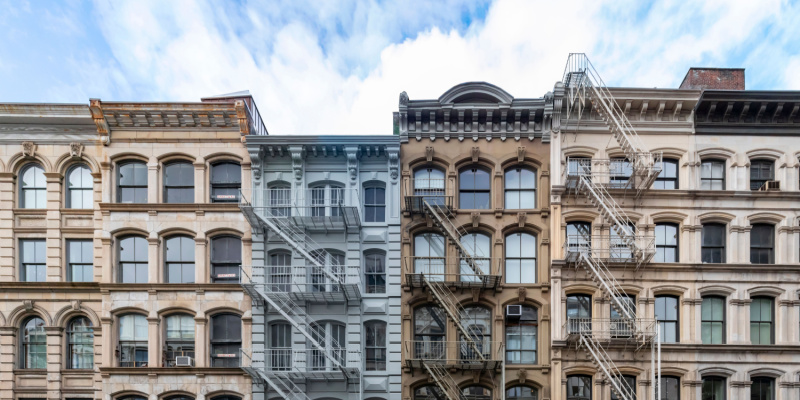
Eliminating Rats From NYC Apartment Buildings requires a comprehensive and strategic approach. The presence of these pests not only poses health risks but also threatens the structural integrity of your property. From their elusive hideouts within walls to their relentless foraging for food, these pests demand a concerted effort to remove them and prevent their return. Implementing effective rat control measures within the complex urban landscape of NYC necessitates a combination of proactive management, tenant cooperation, and expert strategies. By prioritizing sanitation and professional intervention, you can create a healthy, rat-free living environment for all residents. Understanding Rat Infestations in NYC Rat infestations have been a long-standing issue in New York City. Understanding the underlying factors behind them can help you address the problem more effectively. Strategies for Eliminating Rat Infestations According to New York City’s Housing Maintenance Code, property owners must ensure their buildings remain free from pests. If landlords fail to handle the situation properly, the NYC Health Department may intervene. Follow these steps for Eliminating Rats From NYC Apartment Buildings: 1. Thorough Inspection and Assessment Begin by conducting a thorough inspection of the building. Specifically, you must identify entry points, nesting areas, and active signs of rat presence to guide your eradication efforts. 2. Sealing All Entry Points Rats can enter through even the smallest openings. Therefore, seal all gaps, cracks, and holes in foundations, floors, and walls. Additionally, collapse any active rat burrows found near the property line. 3. Effective Sanitation and Waste Management Proper waste management serves as a primary defense. Provide secure, tightly sealed trash bins and implement regular pickup schedules for the entire building. 4. Maintaining Building Cleanliness Encourage residents to keep their apartments free from food debris. Regularly clean common areas, hallways, and stairwells. If you find droppings, wash surfaces thoroughly with a bleach solution to remove the scents that attract other rats. 5. Strategic Baiting and Trapping Place bait stations and traps in areas with high rat activity. Ensure you use rodenticides specifically designed for rats to increase your chances of success. 6. Professional Pest Elimination Enlist licensed professionals experienced in rat eradication. Experts like Systematic Pest Elimination can implement advanced techniques and ensure the safe application of pesticides.