Rat Elimination Services for NYC Restaurants
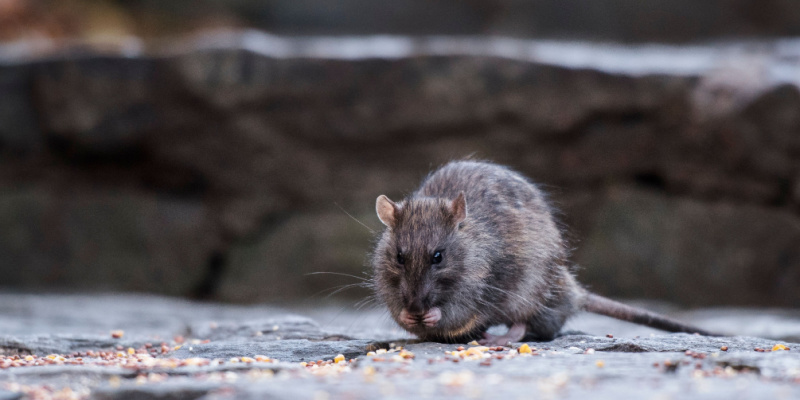
New York City restaurants serve as temples of taste in the culinary capital of the world. Here, patrons expect nothing less than perfection. However, even the most exquisite establishments face threats from the city’s infamous rodent residents. Rats represent more than just a nuisance; specifically, they are a direct threat to your restaurant’s hygiene, reputation, and bottom line. As leading experts in rat elimination, we provide the ultimate line of defense. We ensure your establishment remains the pinnacle of fine dining. Understanding the Risks Rats are savvy survivors, especially in dense urban environments like NYC. These pests carry diseases, compromise food safety, and even cause structural damage. For a restaurant, a single sighting can result in health code violations and negative publicity. Consequently, you may face a potential downturn in business. Our services do more than just remove rats. Instead, we preserve the sanctity of your hard-earned reputation. Tailored Rat Elimination Strategies High-end restaurants require sophisticated pest control solutions. Therefore, we begin with a discreet, thorough inspection of your premises. We aim to understand the scope of the issue and identify potential entry points. Afterward, our team of certified professionals devises a custom strategy. We employ a combination of exclusion techniques, baits, and traps. These methods align with your establishment’s sophistication and ensure the safety of your patrons. Our strategies are both innovative and effective. We utilize the latest pest control technology to provide efficient rat elimination services. Furthermore, we understand the importance of maintaining your dining ambiance. For this reason, we design our methods to stay out of sight and out of mind for your guests. Cutting-Edge Techniques and Technologies We lead the industry in rat elimination technology. Specifically, we incorporate smart trapping systems and environmentally friendly repellents into our arsenal. These advanced techniques allow us to target the problem at its source. As a result, we eliminate rats with precision and total discretion. Our team utilizes Integrated Pest Management (IPM) principles. This ensures that we address the root causes of rat infestations rather than just the symptoms. By combining biological understanding and structural assessments, we create a robust barrier against future incursions. Ongoing Monitoring and Maintenance Rat elimination requires an ongoing process in a bustling city. After our initial treatment, we offer continual monitoring services. This ensures that rats stay away from your establishment for good. Furthermore, regularly scheduled inspections keep your defenses strong. This proactive approach offers peace of mind in a rat-free environment. We also provide detailed reports and recommendations following each visit. Consequently, you stay informed and in control of the pest management process. Our proactive style allows you to focus on creating unforgettable dining experiences. Educational Support and Staff Training Knowledge serves as a powerful tool in the fight against pests. Therefore, we equip your staff with the skills they need to prevent rat attractions. Our training helps employees identify early signs of infestation quickly. Additionally, our educational support covers best practices in food storage and waste management. This creates a first line of defense that is both knowledgeable and effective. Partnering with Your Restaurant When you choose our services, you partner with a team that values your success. We understand the nuances of NYC’s high-end dining scene. Specifically, we dedicate ourselves to maintaining the exceptional standards your customers expect. We work quietly in the background to deliver results. Because we value your time, we never interrupt the seamless operation of your restaurant. Our meticulous attention to detail reflects our commitment to your satisfaction. We provide a rat elimination service that is as refined as the dining experiences you offer. Trust us to keep your establishment impeccable and rat-free.
Eliminating Fruit Flies from Your Restaurant
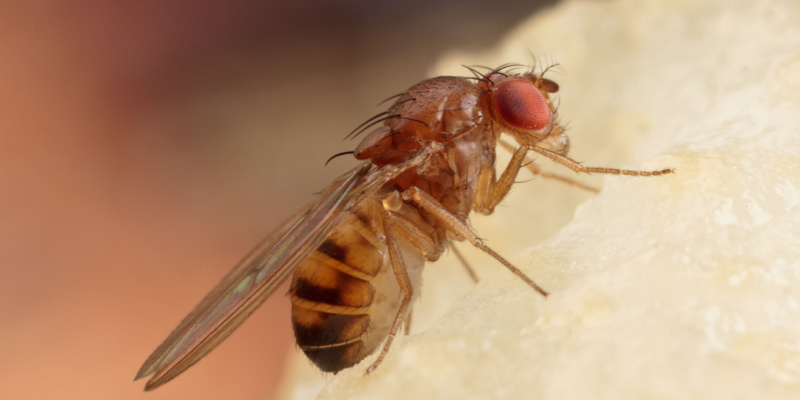
In the world of haute cuisine, every detail helps create an exceptional dining experience. Consequently, the presence of fruit flies serves as more than a minor annoyance. Instead, it acts as a critical threat to your establishment’s reputation. These tiny invaders represent a common problem for New York City businesses. However, for those catering to a discerning clientele, a fruit fly infestation is unacceptable. We understand these high stakes. Therefore, we provide a luxury service to ensure your environment remains impeccable. Understanding the Fruit Fly Challenge Fruit flies seek out fermented fruits, vegetables, wine, and beer. Because these organic materials appear commonly in restaurant settings, pests find them easily. Furthermore, they reproduce with incredible speed. This means a few unnoticed flies can quickly become a significant issue for your staff. For a high-end restaurant, ambiance and cleanliness remain paramount. Consequently, you must prioritize the swift elimination and prevention of these pests. Customized Fruit Fly Elimination We begin our process with a discreet and thorough evaluation of your restaurant. During this phase, we pinpoint exactly where fruit flies breed and hide. Our expert technicians then design a customized elimination plan. Because we value your time, this plan aligns with the sophistication and operational needs of your establishment. This tailored approach allows us to address the problem without disrupting your guests’ experience or your restaurant’s aesthetics. Our technicians possess training in the most advanced detection techniques. Specifically, we use targeted treatments that eliminate fruit flies at the source. By addressing the problem at its root, we provide a permanent solution rather than merely treating symptoms. Advanced Techniques for a Refined Setting We utilize state-of-the-art pest elimination technology to provide effective and unobtrusive solutions. Our non-toxic, eco-friendly treatments protect the health of your patrons. At the same time, they deliver a decisive blow to fruit fly populations. Additionally, our integrated pest management (IPM) strategy reduces the need for heavy chemical interventions. We focus instead on sanitation and structural modifications to remove breeding grounds. This approach maintains an atmosphere that is both luxurious and health-conscious. Prevention is the Best Medicine At our company, we believe that preventing a problem is better than fixing one. Therefore, we work closely with your staff to implement best practices for food storage and waste management. Our team also trains your employees on cleaning protocols that discourage infestations. By maintaining an environment hostile to pests, you ensure that our elimination efforts have lasting results. Continuous Monitoring and Support Our commitment to your restaurant continues long after the initial treatment. We offer ongoing support and monitoring services to ensure fruit flies do not return. For instance, regular inspections create a protective barrier against future invasions. These fruit fly elimination services allow you to focus entirely on delighting your guests. Our proactive monitoring includes detailed reporting after each visit. This gives you complete transparency and control over the pest management process. Moreover, we adapt our strategies based on seasonal changes to keep your restaurant a fly-free zone year-round. A Luxurious Approach to Pest Control When you select our services, you choose a luxury provider that understands NYC’s finest restaurants. We pride ourselves on our discretion, efficiency, and unwavering commitment to excellence. We recognize that every detail counts in high-end dining. Therefore, we ensure that our presence is felt through results rather than the execution process. Ultimately, every aspect of your customer experience must reflect the highest quality. Trust us to maintain the pristine environment your clientele expects. We ensure that guests remember your establishment for its culinary delights, not its pest control battles.
The Importance of Commercial Drain Cleaning for Your Restaurant

In the realm of fine dining, the devil is in the details. For a high-end Manhattan restaurant, every aspect of the patron’s experience must be impeccable—from the ambient lighting down to the gleaming cutlery. However, there is one critical detail that, while often overlooked, can have a profound impact on the sanctity of your establishment: the cleanliness of your drains. Commercial drain cleaning is not just a maintenance task; it is a foundational aspect of pest elimination and overall restaurant hygiene. Why Drain Cleanliness is Critical Drains are the unseen workhorses of any restaurant. Day in and day out, they whisk away waste and keep your operations running smoothly. However, they can also become breeding grounds for pests, such as fruit flies, cockroaches, and even rodents, if not properly maintained. Grease, food particles, and organic waste can accumulate in drains, providing an ideal environment for pests to thrive. It’s not enough to have a kitchen that looks clean; it must be fundamentally clean, starting with the drains. The High Cost of Neglected Drains For a high-end restaurant, the cost of neglected drains can be steep. Pests that emerge from dirty drains are not just a minor nuisance; they can contaminate food supplies, jeopardize health standards, and tarnish your restaurant’s reputation. A single negative experience can lead to damaging reviews and a loss of the clientele you’ve worked tirelessly to attract. In the age of instant online reviews, it is imperative to maintain a proactive approach to drain cleanliness to ensure that your restaurant’s reputation remains pristine. Commercial Drain Cleaning: The First Line of Defense Commercial drain cleaning is an essential service that serves as the first line of defense against pests. Regular, professional drain cleaning removes the organic buildup that can lead to pest infestations, unpleasant odors, and slow drainage—all of which can negatively impact the dining experience. Professional drain cleaning services utilize specialized tools and techniques to thoroughly clean and sanitize drains. This process not only removes the immediate problem but also applies preventative measures to ensure that the drains remain clear and free from attractants that can lead to future pest problems. The Professional Advantage While some may attempt to manage drain cleaning in-house, there is a distinct advantage to enlisting professional services. Professionals have access to powerful tools and commercial-grade cleaning agents that are more effective and efficient than over-the-counter solutions. They are also trained to identify potential issues before they become costly problems, offering a level of expertise that goes beyond simple cleaning. Moreover, professional pest elimination companies understand the unique demands of high-end restaurants. They provide discreet services that do not interrupt the daily flow of business or the dining experience of your patrons. Partnering with Your Pest Elimination Service When considering pest elimination strategies, it’s important to partner with a company that understands the high standards of your establishment. A reputable pest elimination company will offer regular commercial drain cleaning as part of a comprehensive pest management plan tailored to the needs of your restaurant. They will work with you to schedule regular cleanings at times that suit your business operations, ensuring minimal disruption. They will also provide documentation and support for health inspections, demonstrating your commitment to maintaining the highest levels of hygiene. In the competitive landscape of Manhattan’s fine dining scene, there is no room for error. Commercial drain cleaning is a critical component of maintaining the high standards your clientele expects. By investing in professional drain cleaning services, you protect not just your restaurant from pests but also the reputation and ambiance you’ve cultivated. Ensure that your establishment is synonymous with excellence in every detail by prioritizing this essential aspect of restaurant maintenance.
What Should I Do if I Have a Fruit Fly Problem in My Manhattan Restaurant?
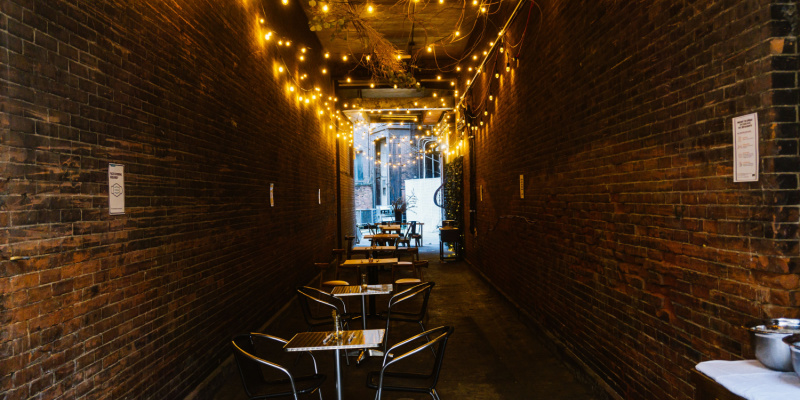
Manhattan’s fine dining establishments are the epitome of culinary excellence, but even the most prestigious restaurants can fall victim to the common yet pesky fruit fly. These diminutive insects can become a significant problem, multiplying rapidly and tarnishing the dining experience you’ve worked so hard to perfect. If fruit flies have invaded your space, it’s crucial to act swiftly and decisively. Here’s a professional guide on how to handle a fruit fly problem, ensuring your Manhattan restaurant remains the standard for an unmatched dining encounter. Identify and Eliminate the Source Fruit flies are attracted to ripe, fermenting fruits and vegetables, as well as sugary substances. The first step in combating these pests is to identify and eliminate their breeding grounds. Inspect your establishment for overripe produce, standing water, damp rags, and any residue in drains or under equipment. Remove these attractants immediately and clean the areas with an appropriate cleaning agent. Implement Rigorous Sanitation Practices Sanitation is your strongest weapon against fruit flies. Implement a rigorous cleaning schedule, ensuring that all food prep and storage areas are free of food particles and sticky residues. Emphasize the importance of cleanliness to your staff, and ensure they understand the role of sanitation in preventing pest problems. Regularly clean drains, garbage disposals, and recycling bins, where fruit flies often breed. Use organic drain cleaners or a professional service to thoroughly clean and maintain these areas regularly. Seek Professional Pest Elimination Services While some may attempt DIY methods to tackle fruit flies, the most effective solution is to enlist professional pest elimination services. A reputable pest control company will offer a comprehensive approach to not only eradicate the current population but also prevent future infestations. Professionals use a variety of tools and techniques, including traps, light traps, and professional-grade insecticides that are safe for use in food-handling areas. They can also help identify structural issues that may be contributing to the problem, such as gaps in windows or doors. Understand the Life Cycle Understanding the fruit fly’s life cycle is crucial for effective control. These pests can develop from egg to adult in just about a week, so it is vital to break this cycle quickly. Professional pest control services will target every stage of the life cycle to ensure a comprehensive solution to your fruit fly problem. Monitor and Maintain Once the immediate issue is under control, continuous monitoring and maintenance are key to preventing a recurrence. Partner with your pest control provider to establish an ongoing plan that includes regular inspections and treatments as needed. Professionals can also install monitoring systems that will alert you to new fruit fly activity before it becomes a visible problem, allowing for prompt and effective action. Educate Your Team Your staff are your eyes and ears when it comes to spotting the early signs of a fruit fly problem. Educate them on what to look for and the steps to take if they notice an issue. A well-informed team is a critical component of your pest management strategy. Choose a Reputable Pest Control Partner In Manhattan’s competitive dining scene, there is no room for error when it comes to pest control. Choose a pest elimination partner with a track record of success in high-end restaurant environments. Look for a company that understands the discretion required and the high stakes involved. A fruit fly problem in your Manhattan restaurant can quickly escalate if not addressed promptly and professionally. By understanding the issue, implementing rigorous sanitation practices, and working with a professional pest elimination service, you can ensure that your establishment remains a fruit fly-free zone. Your reputation for excellence is invaluable. Do not let a pest problem diminish the dining experience you offer. Act swiftly, choose the right partners, and maintain vigilance to protect the sophisticated ambiance that defines your restaurant. With the right approach, you can swiftly return your focus to what matters most: creating unforgettable culinary experiences for your guests.
Apartment Building Pest Problems in the NYC Area
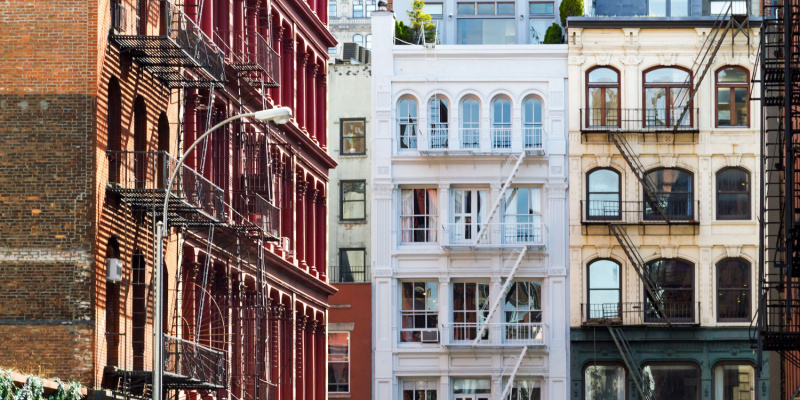
Picture this: you come home after a long day of work, ready to unwind in the comfort of your apartment. But as soon as you step through the front door, you’re greeted by an unwelcome surprise – a trail of ants marching across your kitchen counter. Sound familiar? If you live in the NYC area, chances are you’ve encountered your fair share of pest problems in apartment buildings. From roaches scurrying through hallways to bed bugs invading bedrooms, these tiny intruders can turn any dreamy abode into a nightmare. In this article, we’ll explore the common pests plaguing apartment buildings in the NYC area and offer some tips on effective solutions for property managers, landlords, and tenants. The NYC Area and Its Pest Challenges The bustling urban environment of the NYC area provides an ideal habitat for pests. Several factors, such as the high population and climate, contribute to the prevalence of pest problems in apartment buildings. 1. High Population Density NYC’s population density is among the highest in the world, with residents living in close proximity to one another. This proximity can facilitate the rapid spread of pests between units and buildings. 2. Shared Spaces Common areas in apartment buildings, such as lobbies, hallways, trash rooms, and basements, offer pests like rodents and cockroaches numerous hiding places and access points. 3. Favorable Climate NYC’s climate-controlled apartment buildings provide pests with stable temperatures year-round, making them attractive places to seek shelter. 4. Abundant Food Sources Pests are drawn to readily available food sources, and apartment buildings offer plenty of opportunities for foraging, especially in kitchens and common spaces. Common Pests in NYC Apartment Buildings Several pests are particularly prevalent in NYC apartment buildings. Cockroaches, especially the German cockroach, are a persistent problem in the NYC area. They are known for their adaptability and ability to hide in small crevices. Rodents are attracted to food and shelter, making apartment buildings an ideal habitat. They can carry diseases and cause structural damage. Bedbug infestations can spread quickly in apartment buildings through shared spaces and infested furniture. Various ant species, including the odorous house ant and pavement ant, can be common nuisances in apartments. Challenges Faced by Property Managers and Landlords Property managers and landlords in the NYC area encounter several challenges when dealing with pest problems in apartment buildings. 1. Legal Responsibilities Landlords are legally obligated to maintain habitable living conditions, which includes addressing pest infestations upon tenant complaints. 2. Tenant Turnover Frequent tenant turnover can facilitate the spread of pests. New tenants may unknowingly bring pests with them, contributing to the persistence of infestations. 3. Shared Spaces Managing pest prevention in common areas can be challenging, as it requires coordination among tenants, property management, and pest elimination professionals. 4. Rapid Reproduction Pests like cockroaches and rodents reproduce rapidly, making it crucial to address infestations promptly. Effective Solutions for Pest Problems Addressing pest problems in NYC apartment buildings requires a proactive and coordinated approach between landlords, tenets, and pest elimination professionals. 1. Routine Inspections Property managers should conduct regular inspections of common areas and individual units to detect early signs of infestations. 2. Prompt Action If pests are detected, landlords must take immediate steps to address the issue. This often involves hiring licensed pest management professionals with expertise in the specific pest species. 3. Professional Pest Elimination Pest prevention professionals develop customized treatment plans based on the type and extent of the infestation. These plans may include bait stations, insecticides, and preventive measures. 4. Tenant Cooperation Tenants play a vital role in pest management efforts. They should promptly report signs of pests, cooperate with pest professionals during treatments, and follow recommended prevention measures. 5. Educational Programs Landlords and property managers can implement educational programs to raise awareness about pest prevention and eradication among tenants and building staff. 6. Preventative Measures To prevent future infestations, seal entry points and gaps in walls, floors, and doors. Regular maintenance, such as fixing leaks and ensuring proper insulation, can also deter pests. Legislation and Pest Management The NYC area has regulations in place to address pest elimination in apartment buildings. These regulations ensure that landlords meet their legal responsibilities to provide habitable living conditions. In the dynamic urban landscape of the NYC area, a collective commitment to creating pest-free living environments in apartment buildings is necessary to ensure the health and comfort of all residents. From rodents to bed bugs, these pests can cause significant damage and health risks for residents. However, there is a solution. By contacting Systematic Pest Elimination, you can ensure that your apartment building is free from pests and create a safe and comfortable living environment for all tenants. Take action today and say goodbye to unwanted guests in your apartment building.
Are Cockroaches a Problem in NYC Apartment Buildings?
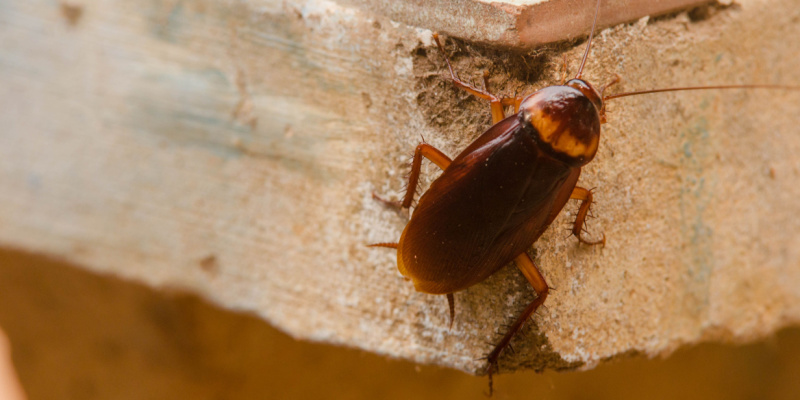
New York City, known for its iconic skyline, diverse culture, and vibrant lifestyle, is also home to a less desirable aspect of urban living – cockroach infestations. Residents of NYC apartment buildings are no strangers to these resilient pests, which can be a persistent problem in the city’s densely populated neighborhoods. This article will look at the prevalence of cockroach infestations in NYC apartment buildings and strategies to address this common issue. Why Are Cockroaches Prevalent in NYC Apartment Buildings Cockroach infestations in NYC apartment buildings are unfortunately not uncommon. Several factors contribute to their prevalence: 1. High Population Density NYC is one of the most densely populated cities in the world. The close proximity of people, along with shared spaces and walls in apartment buildings, provides ample opportunities for cockroaches to spread from unit to unit. 2. Abundant Food Sources Cockroaches are scavengers and can feed on a wide range of organic matter. The availability of food sources, both in individual units and common areas, makes apartment buildings attractive to these pests. 3. Climate Control Cockroaches thrive in the temperature range preferred by humans, which means they are comfortable in the climate-controlled environment of apartment buildings year-round. 4. Hiding Places Cockroaches are skilled at finding hiding places in cracks, crevices, and wall voids, making it challenging to spot them until the infestation is advanced. Health Concerns Cockroaches pose significant health concerns for residents of apartment buildings in NYC. Cockroach allergens are a common trigger for asthma and allergies. Exposure to cockroach droppings, shed skin, and saliva can exacerbate respiratory issues, especially in children. While not direct disease carriers, cockroaches can carry pathogens on their bodies and in their feces. Contamination of food and surfaces by cockroach activity can lead to the spread of diseases like salmonella and E. coli. Cockroach infestations are associated with an increased risk of asthma in children and can exacerbate asthma symptoms in individuals with the condition. Addressing Cockroach Infestations Effective strategies to address cockroach infestations in NYC apartment buildings require a collaborative effort involving landlords, property managers, tenants, and professional pest elimination services. 1. Regular Inspections Landlords and property managers should conduct routine inspections of common areas and individual units to detect early signs of cockroach infestations. Early detection is crucial for prompt intervention. 2. Prompt Action If a cockroach infestation is confirmed, landlords and property managers must take immediate steps to address the issue. This typically involves hiring licensed pest elimination professionals with expertise in cockroach elimination. 3. Professional Pest elimination Pest elimination professionals employ a variety of methods to eliminate cockroaches, including bait stations, insect growth regulators, and targeted insecticides. They also develop a comprehensive treatment plan tailored to the specific infestation. 4. Cooperation from Tenants Tenants play a vital role in cockroach elimination efforts. They should promptly report any signs of cockroaches and cooperate fully with pest professionals during treatments. 5. Educational Programs Landlords and property managers can implement educational programs to raise awareness about cockroach prevention among both residents and building staff. 6. Prevention Measures To prevent future infestations, it’s essential to seal entry points and gaps in walls, floors, and doors where cockroaches could enter. Regular maintenance, such as fixing leaks and ensuring proper insulation, can also deter these pests. 7. Cleanliness Tenants should practice proper food storage by using airtight containers, promptly cleaning up crumbs and spills, and avoiding leaving unwashed dishes in the sink. Keeping rental units clean and free of clutter reduces hiding places for cockroaches. The Role of Legislation The City of New York has regulations in place to address pest elimination in apartment buildings. These regulations require landlords to maintain rental units in a safe and habitable condition, which includes ensuring they are free of pests. Landlords are responsible for addressing pest infestations upon tenant complaints. In conclusion, cockroaches are indeed a significant problem in many NYC apartment buildings. These pests are not only unsightly and unpleasant, but they also pose health risks. It is crucial for residents and building owners to take proactive measures to prevent and eliminate cockroach infestations. Contacting a professional pest company like Systematic Pest Elimination can provide effective solutions and long-term prevention strategies. Don’t let cockroaches continue to plague your apartment building – take action today to maintain a clean, healthy living environment for all residents.
Are Landlords or Tenants Responsible for Pest Control in NYC?

Pest infestations are an unfortunate reality in urban environments like New York City. In a densely populated city where apartment living is standard, disputes over pest elimination responsibilities can be a source of contention between landlords and tenants. Understanding who is responsible for pest mangement in NYC is crucial for both parties to maintain a harmonious and pest-free living environment. Landlord’s Responsibility In New York City, landlords have specific legal responsibilities regarding pests. These responsibilities are outlined in the city’s housing code, and they primarily revolve around providing tenants with a habitable and pest-free living space. 1. Initial Pest Treatment Landlords are typically responsible for addressing pest infestations when a tenant first moves in. They must ensure that the rental unit is free of pests, including common nuisances like rodents, cockroaches, and bedbugs. This initial treatment is a crucial part of the landlord’s responsibility to provide a habitable living environment. 2. Taking Action on Tenant Complaints If a tenant reports a pest infestation, the landlord is generally responsible for addressing the issue promptly and effectively. This includes hiring professional pest elimination services if necessary. 3. Regular Extermination Beyond the initial treatment, landlords are generally expected to maintain a pest-free environment throughout the duration of the tenant’s occupancy. This includes routine pest maintenance, such as inspections and treatments, to prevent infestations from occurring or worsening. Regular maintenance can vary depending on the building and its history of pest issues. 4. Addressing Common Areas Landlords are responsible for pest prevention in common areas of apartment buildings. This includes lobbies, hallways, basements, and any shared spaces where pests might thrive. Ensuring that these areas are pest-free is essential for the well-being of all tenants. 5. Compliance with the Housing Maintenance Code Landlords must comply with the New York City Housing Maintenance Code, which includes provisions related to pest prevention and maintenance standards. 6. Pest Disclosure Before a new tenant moves in, landlords are often required to disclose any known pest infestations or treatments that have occurred in the past year. Tenant’s Responsibility While landlords have a significant role in pest elimination, tenants also bear certain responsibilities to maintain a pest-free living environment. Tenants are responsible for keeping their rental units clean and practicing proper food storage and disposal. Crumbs, food scraps, and unsealed food containers can attract pests like rodents and cockroaches. Tenants should regularly clean their living spaces, sweep up crumbs, and store food in sealed containers to minimize the risk of infestations. Tenants should promptly report any signs of pests to their landlords. This includes sightings of pests, evidence of infestations, or suspected pest-related problems. Timely reporting allows landlords to address issues before they worsen. When landlords arrange for pest management treatments, tenants are expected to cooperate with the process. This may include preparing the unit by removing clutter, emptying cabinets, and following any specific instructions provided by the pest elimination professionals. Cooperation is essential for the effectiveness of pest treatments. Tenants can take preventative measures to minimize the risk of pest infestations. This includes using caution when acquiring used furniture or belongings, as these items can introduce pests into the home. Disputes and Legal Recourse In situations where there is a dispute between a landlord and a tenant regarding pest prevention responsibilities, it’s advisable to consult the lease agreement. Lease agreements can vary, and some may specify additional terms related to pest responsibilities. If an agreement cannot be reached and the issue persists, tenants have legal options to ensure their rights are protected. Tenants can file a complaint with the New York City Department of Housing Preservation and Development (HPD) to request an inspection and enforce pest removal requirements. In severe cases, tenants may also consider seeking legal counsel or mediation to resolve disputes. In summary, the responsibility for pest elimination in NYC is a shared one, with both landlords and tenants playing crucial roles. Landlords must ensure that their rental units are pest-free when tenants move in and provide ongoing maintenance and treatment in common areas. Tenants, on the other hand, are responsible for maintaining cleanliness in their units, reporting pest issues promptly, and cooperating with pest elimination experts such as Systematic Pest Elimination. While the housing code in NYC outlines these responsibilities, lease agreements may provide additional details, so both landlords and tenants need to understand their respective roles. In situations where disputes arise, it’s advisable to seek resolution through legal channels or mediation to ensure a fair and pest-free living environment for all parties involved. Ultimately, a cooperative approach between landlords and tenants is critical to maintaining a pest-free and harmonious rental community in New York City.
Cockroach Elimination in NYC Apartment Buildings

Cockroach infestations are a persistent and distressing problem in New York City’s apartment buildings. These resilient pests can thrive in the bustling urban environment, causing inconvenience and health concerns for residents. Eliminating cockroaches from apartment buildings in NYC requires a multifaceted approach that involves cooperation between landlords, property managers, tenants, and professional pest elimination services. Understanding the Cockroach Challenge Cockroaches are notorious for their adaptability and ability to hide in small crevices. They are drawn to sources of food, water, and warmth, making apartment buildings an ideal environment. While cockroaches do not cause structural damage, they pose health risks due to their potential to carry disease and trigger allergies. Landlord and Property Manager Responsibilities Landlords and property managers have a legal obligation to provide habitable living conditions for tenants, which includes maintaining a pest-free environment. Several key responsibilities fall on their shoulders regarding cockroach elimination in apartment buildings. 1. Regular Inspections Landlords and property managers should regularly inspect common areas and rental units to detect early signs of cockroach infestations. Early detection allows for prompt action. 2. Prompt Pest Elimination If a cockroach infestation is detected, landlords must take immediate steps to address the issue. This typically involves hiring a licensed pest professional to assess the extent of the infestation and implement appropriate measures. 3. Maintenance and Repairs Addressing potential entry points and fixing plumbing or structural issues that provide cockroaches with easy access to the building is crucial. Seal cracks and crevices, repair leaks, and ensure that windows and doors are properly sealed. 4. Tenant Education Landlords should educate tenants about the importance of proper food storage, cleanliness, and reporting pest issues promptly. A cooperative effort between tenants and property management is essential for long-term success. Tenant Responsibilities Tenants also play a significant role in cockroach elimination efforts within apartment buildings. It’s essential for tenants to understand their responsibilities and actively participate in maintaining a pest-free environment: 1. Proper Food Storage Cockroaches are attracted to food sources, so tenants should store food in airtight containers and clean up crumbs and spills promptly. Avoid leaving unwashed dishes in the sink overnight. 2. Reporting Pest Issues Tenants must promptly report any signs of cockroaches to their landlords or property managers. Early reporting allows for swift action and prevents infestations from spreading. 3. Hygiene and Cleanliness Keeping the rental unit clean and free of clutter can deter cockroaches. Regular cleaning routines should include vacuuming, sweeping, and wiping down surfaces to remove potential food sources. 4. Cooperation with Pest Experts When pest elimination professionals are called in, tenants should cooperate fully with their recommendations. This may involve preparing the unit by moving furniture or emptying cabinets. Professional Pest Elimination Services Professional pest elimination services are a crucial component of successful cockroach elimination in NYC apartment buildings. These services bring expertise, experience, and specialized tools to the task. Here’s how they typically approach the issue: 1. Inspection Pest elimination professionals conduct a thorough inspection to determine the extent of the infestation and identify the species of cockroach involved. German and American cockroaches are the most common in NYC. 2. Treatment Plan Based on the inspection findings, pest experts develop a customized treatment plan. This may include the use of baits, insect growth regulators, and insecticides, among other methods. 3. Monitoring and Follow-up Successful cockroach elimination often requires ongoing monitoring and follow-up treatments. Pest elimination professionals will schedule follow-up visits to ensure the infestation is completely eradicated. 4. Education Pest professionals also educate tenants on preventative measures they can take to avoid future infestations. This includes proper food storage, cleanliness, and sealing entry points. Preventative Measures for Long-Term Success While addressing existing infestations is crucial, preventing future infestations is equally essential. Here are some preventative measures for long-term success in cockroach elimination: 1. Regular Maintenance Property managers should prioritize regular maintenance, including sealing cracks and crevices, fixing leaks, and ensuring proper insulation. 2. Trash Management Implement a strict trash management system, ensuring that dumpsters and trash rooms are clean and well-maintained. 3. Entry Point Seal Seal entry points for cockroaches, such as gaps around pipes, windows, and doors. Weatherstripping and caulking are effective methods. 4. Educational Programs Conduct educational programs for both landlords and tenants to raise awareness about cockroach prevention and elimination. Cockroach elimination in NYC apartment buildings requires a collaborative effort involving landlords, property managers, tenants, and professional pest elimination services like Systematic Pest Elimination. These resilient pests can be challenging to eradicate, but with a proactive and coordinated approach, it is possible to create a pest-free living environment. By understanding their respective responsibilities and taking preventative measures, all parties can contribute to a healthier and more comfortable living space in the city that never sleeps.
NYC Restaurant Health Inspections

New York City serves as the culinary capital of the world. It hosts a diverse restaurant scene, ranging from corner delis to Michelin-starred establishments. Because millions of residents and tourists dine out daily, the city must maintain strict food safety standards. Restaurant health inspections ensure that these dining experiences remain safe and enjoyable for everyone. The Role of NYC Restaurant Health Inspections The New York City Department of Health and Mental Hygiene (DOHMH) safeguards public health. Trained health inspectors visit restaurants and food trucks across the five boroughs. Their primary goal involves assessing compliance with food safety regulations. These rules cover everything from proper food handling to essential sanitation practices. Frequency and Scoring Health inspectors usually conduct regular, unannounced visits. Several factors determine the frequency of these inspections. These include the type of establishment and its past inspection history. For example, the city inspects high-risk establishments, like those serving raw seafood, more often than low-risk ones. During these visits, inspectors evaluate numerous operational aspects. They check the cleanliness of kitchens and evaluate food storage practices. Furthermore, they review employee hygiene to ensure safe food preparation. Each violation carries a specific point value. Higher points indicate more critical safety failures. Grading System The grading system is the most visible part of NYC inspections. Restaurants receive a letter grade that they must display at their entrance. These grades range from “A” (the best) to “C” (below standards). Consequently, customers can quickly gauge a restaurant’s food safety practices before they enter. The Impact on Restaurants For owners, a high grade is a business imperative. A low grade can deter customers and damage a brand’s reputation. Conversely, an “A” grade serves as a major selling point. To maintain these grades, owners must prioritize daily hygiene and safety. The Importance of Transparency Transparency drives the NYC inspection system. The DOHMH makes all inspection reports available to the public online. Anyone can check a restaurant’s history and overall compliance. This openness encourages businesses to stay vigilant about their safety protocols. Corrective Actions and Reinspections If a restaurant receives a poor grade, they get a chance to fix the issues. After making adjustments, the owner can request a reinspection. This allows them to demonstrate their commitment to safety and potentially earn a better letter grade. The Broader Impact These inspections promote a strong culture of food safety throughout the industry. By holding establishments accountable, the city ensures a hygienic environment for all. This helps maintain New York City’s status as a world-class dining destination. Challenges and Improvements The system is robust, but it still faces challenges. Some critics believe the grading system oversimplifies complex safety issues. Others argue that different inspectors might interpret rules inconsistently. To address these concerns, the DOHMH periodically reviews its procedures. They seek feedback from owners to make evaluations fairer for all business types. Conclusion: Ensuring Safe Dining Safe dining experiences remain a top priority for everyone in New York. The inspection system serves as a vital tool for maintaining cleanliness. By partnering with reputable companies like Systematic Pest Elimination, restaurants can further enhance their prevention efforts. Strict sanitation protects the health of every patron. Next time you dine in the Big Apple, look for that “A” in the window. It is your assurance of a safe, delicious meal.
How to Eliminate Rodents From Your NYC Apartment Building
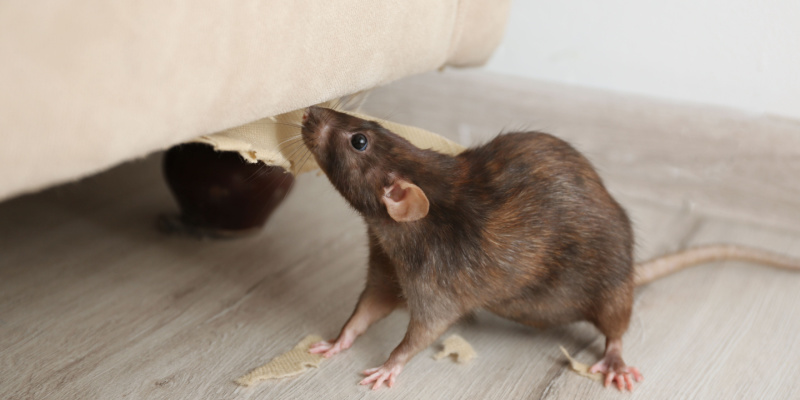
Living in the heart of New York City comes with many perks; however, many residents face the daunting challenge of dealing with unwanted pests. Unfortunately, NYC currently holds the third spot for the “rattiest cities in America”. Whether you are facing mice, rats, or other intruders, these animals remain a persistent problem in apartment buildings. Common pests can damage property, spread dangerous diseases, and create an unpleasant living environment for everyone. Fortunately, you can implement effective strategies to clear your NYC apartment building and keep it safe for good. Identifying Common Rodent Species in NYC To fight back effectively, you must first understand your opponent. New York City hosts several specific species that thrive in urban environments. The Infamous Norway Rat One of the most notorious species plaguing the city is the Norway rat, which people often call the brown rat. These animals feature brown fur and a relatively large size. Because they are prolific breeders, they thrive easily in the city’s dense layout. You will often find them burrowing underground or hiding in basements, according to NYC Health Department guidelines. Highly Adaptable House Mice These small animals are highly adaptable and can squeeze through tiny openings to access your building. House mice reproduce rapidly, meaning a single pair can produce dozens of offspring in just a few months. Consequently, they frequently contaminate food and spread diseases through their urine and feces, as noted by the CDC. Steps to Clear Your Building of Pests Once you identify the issue, you must take active steps to remove it. Therefore, a systematic approach is necessary to ensure long-term success. 1. Identify and Seal Entry Points The first step in pest elimination involves identifying how they enter the building. Because mice and rats can squeeze through tiny openings, you should scrutinize the exterior of your building carefully. Specifically, look for gaps around windows, doors, pipes, and vents. Seal any openings you find with caulk or steel wool to prevent animals from nesting inside. 2. Maintain Proper Sanitation and Trash Security Pests seek out food sources and shelter above all else. To deter them, you must maintain a strict cleaning regimen in all common areas. This includes regular trash disposal and wiping down surfaces to remove crumbs. Furthermore, secure your trash storage areas by ensuring dumpsters have tight-fitting lids. Because metal containers are harder to chew through, consider using them instead of plastic bins. Instructing residents to store food in airtight containers also reduces the available resources for intruders. Professional Management and Community Collaboration While DIY steps are helpful, large buildings often require a more robust strategy. Collaborative efforts usually yield the best results. Implement a Professional Elimination Program One of the most effective ways to remove pests is to hire a professional service. These experts can assess the extent of the infestation and develop a customized eradication plan. Additionally, professionals have access to advanced tools like specialized bait stations and effective treatments. They can also provide guidance on long-term preventive measures. Educate and Collaborate with Residents Success depends on the cooperation of everyone in the building. Therefore, you should host informational sessions about pest prevention. Encourage residents to report any sightings immediately so that you can take action quickly. Moreover, address any plumbing or drainage issues promptly, as animals often seek out standing water. Take Back Control of Your Living Space In the bustling urban environment of New York City, prevention remains an ongoing challenge. However, by partnering with Systematic Pest Elimination, you can rest assured that experienced technicians will handle the problem for you. We employ effective strategies to eradicate infestations and restore comfort to your home. Do not let pests continue to wreak havoc in your building—contact Systematic Pest Elimination today to take back control.