How to Protect Your NYC Apartment Building from a Cockroach Infestation
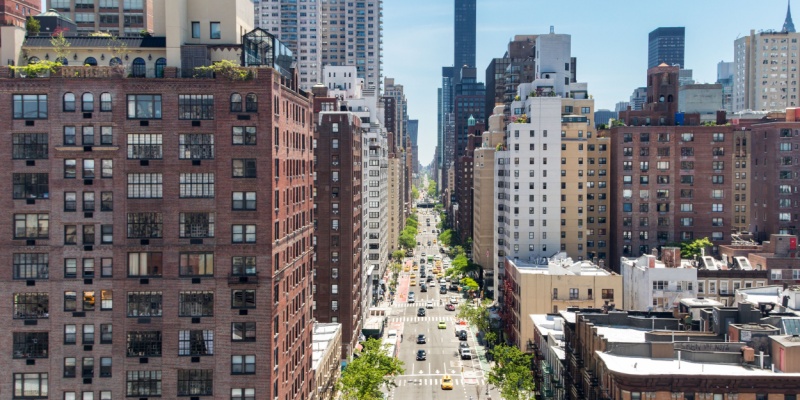
How to protect your NYC apartment building from a cockroach infestation is a primary concern for property managers and landlords throughout the five boroughs. With its vibrant neighborhoods and iconic skyline, New York City provides a bustling home for millions; however, this energy often attracts persistent pests. Because cockroaches are incredibly resilient, they pose significant health risks and quickly tarnish the living experience for your residents. Consequently, safeguarding your property requires a proactive and strategic approach. By following these expert steps, you can eliminate existing populations and prevent future outbreaks effectively. Understanding the Cockroach Threat Cockroaches are highly adaptable insects that thrive in dense urban environments. They gravitate toward areas with warmth, moisture, and accessible food sources, which makes apartment buildings ideal habitats. Furthermore, infestations spread rapidly because these pests multiply with incredible speed. According to the NYC Health Department, cockroaches are also major triggers for asthma and allergies, making their removal a matter of public safety. Proactive Measures for Prevention 1. Maintain Strict Cleanliness Cockroaches hunt for food residue and organic matter. Therefore, keeping your building clean is your first line of defense. You should implement a rigorous cleaning schedule for common areas like hallways, lobbies, and laundry rooms. Additionally, encourage residents to manage their units carefully and dispose of garbage in sealed containers. 2. Seal All Entry Points These pests enter buildings through remarkably small cracks and gaps in walls or floors. To combat this, conduct a thorough inspection of the property. Use high-quality caulk or weather stripping to seal potential entry points around doors, windows, and utility lines. 3. Reduce Moisture Levels Cockroaches require water to survive. Consequently, you must address leaks and high humidity levels immediately. Repair leaking faucets and improve ventilation in bathrooms and kitchens. Following CDC guidelines on moisture control can significantly reduce the attractiveness of your building to pests. 4. Proper Waste Management Because cockroaches feed on food scraps and crumbs, strict waste management is vital. Always use sealed trash bins and clean garbage chutes regularly. Furthermore, ensure that food waste is removed from the premises daily to prevent luring pests inside. How to Protect Your NYC Apartment Building from a Cockroach Infestation with IPM Integrated Pest Management (IPM) is a holistic approach that emphasizes prevention and targeted treatments rather than just reactive spraying. Key components include: Collaborating with Professionals Ultimately, protecting your NYC apartment building requires consistent effort and professional expertise. Partnering with licensed experts ensures that you use the most effective tools and monitoring techniques available. If you are struggling with a persistent problem, reach out to the pros to secure your building.
Cockroach Elimination Experts in New York City

Cockroaches are among the most common and persistent pests in urban environments, and New York City is no exception. These resilient creatures can pose significant health risks, spreading bacteria and triggering allergies, especially in dense living and working spaces. When it comes to getting rid of them, DIY solutions often fall short, necessitating the expertise of professional exterminators. Here’s a comprehensive guide to choosing the best cockroach elimination experts in New York City: 1. Start with Research Your quest for the best pest elimination service should begin with thorough research. Begin by conducting an online search for highly-rated extermination companies in New York City. Platforms like Google, Yelp, and Angie’s List provide customer reviews and ratings that can give you a good idea of the reliability and effectiveness of different services. Pay special attention to reviews that mention success in eliminating cockroaches, as these are a testament to the company’s expertise in handling this specific pest. 2. Check Licensing and Certifications In New York, pest elimination companies must be licensed by the New York State Department of Environmental Conservation. A licensed company ensures that the exterminators have undergone proper training and adhere to state regulations concerning pest elimination methods. Additionally, look for companies that have certifications from recognized industry organizations such as the National Pest Management Association (NPMA) or have staff that are Board Certified Entomologists (BCE). These qualifications often indicate a higher level of professionalism and knowledge. 3. Experience and Specialization Experience is crucial, especially in a city as unique as New York. Companies that have been in business for several years are likely to have developed effective strategies tailored to the specific challenges of the city’s diverse environments. Moreover, check if the company specializes in urban pest elimination, particularly in dealing with cockroaches. Specialists will have a deeper understanding of how to manage infestations in high-rise apartments, restaurants, and other common city structures. 4. Treatment Methods Before hiring a service, inquire about their treatment methods and the tools they use. A reputable company should offer a range of options tailored to different situations, including gel baits, insecticide sprays, growth regulators, and trapping. They should also be willing to discuss the safety and environmental impact of their methods, especially in settings frequented by children and pets. Ask about integrated pest management (IPM) practices, which focus on long-term prevention through a combination of techniques such as biological control, habitat manipulation, and the use of resistant varieties. IPM minimizes risks to human health and the environment. 5. Consultation and Inspection A professional company will usually offer an initial consultation and thorough inspection of your premises before proposing a treatment plan. This step is crucial for understanding the extent of the infestation and tailoring the approach accordingly. Be wary of companies that offer a one-size-fits-all solution without a detailed inspection. 6. Follow-Up and Guarantees Effective cockroach elimination often requires more than one treatment. Therefore, it’s important to choose a company that provides follow-up services. Additionally, check if they offer a guarantee for their work. A guarantee can provide peace of mind and protect your investment if the problem persists. 7. Cost Considerations While cost should not be the sole factor in your decision-making process, it is certainly important. Get estimates from several companies to compare prices and service offerings. However, beware of prices that seem too good to be true, as they may indicate subpar services or hidden fees. 8. Customer Service Excellent customer service is a hallmark of a reputable company. The responsiveness of their customer support, the professionalism of their staff, and the clarity of their communication are all indicators of their service quality. A company that takes the time to answer your questions thoroughly and treats you with respect is likely to take your pest problem seriously. Who to Choose? For New Yorkers grappling with cockroach infestations, Systematic Pest Elimination is the premier choice for reliable and effective pest elimination services. With years of experience serving residential and commercial clients across New York City, Systematic Pest Elimination specializes in eliminating cockroaches and other pests quickly and efficiently. Our team of trained technicians utilizes advanced techniques and treatments to target cockroaches at their source, ensuring long-lasting results and peace of mind for our clients. Don’t let these unwanted guests disrupt your peace of mind any longer – contact Systematic Pest Elimination today for a thorough and efficient solution to your cockroach problem. Your satisfaction is guaranteed when you trust the experts at Systematic Pest Elimination.
Why Do I Have a Cockroach Infestation in My Restaurant?
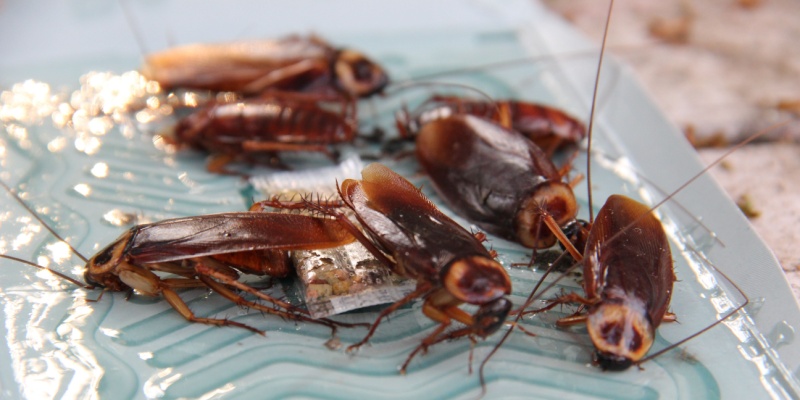
Owning a restaurant in any city means facing a constant barrage of challenges, from managing supply chains to ensuring customer satisfaction. However, a few issues can shake a restaurant’s reputation, like a cockroach infestation. Understanding why your restaurant might be battling these resilient pests and implementing effective strategies to eliminate them is crucial. Why Cockroach Infestations Occur in Restaurants 1. Food Sources 2. Water Sources 3. Shelter and Hiding Places 4. Poor Sanitation Practices 5. Incoming Infestations Steps to Combat Cockroach Infestation in Your Restaurant 1. Immediate Actions 2. Long-term Prevention and Maintenance Addressing Customer Concerns If customers notice cockroaches, it’s vital to address their concerns transparently and promptly. Assure them that you are taking comprehensive steps to resolve the issue and maintain high standards of food safety. Your proactive approach to problem-solving can maintain and even strengthen customer trust. Call in the Professionals Despite your best efforts, controlling a cockroach infestation in your restaurant may require professional intervention. That’s where Systematic Pest Elimination comes in. As a leading provider of commercial pest elimination services, we specialize in helping restaurants and businesses eliminate cockroach infestations and maintain a pest-free environment. Our team of trained technicians utilizes advanced techniques and treatments to target cockroaches at their source, ensuring long-lasting results and peace of mind for restaurant owners and managers. Don’t let a cockroach infestation tarnish the reputation of your restaurant. Contact Systematic Pest Elimination today to schedule a consultation and take the first step towards a cleaner, healthier, and pest-free environment for your business and your customers. With our expertise and dedication, you can trust that your restaurant will remain a safe and inviting place to dine.
Cockroach Problems for Manhattan Restaurant Owners
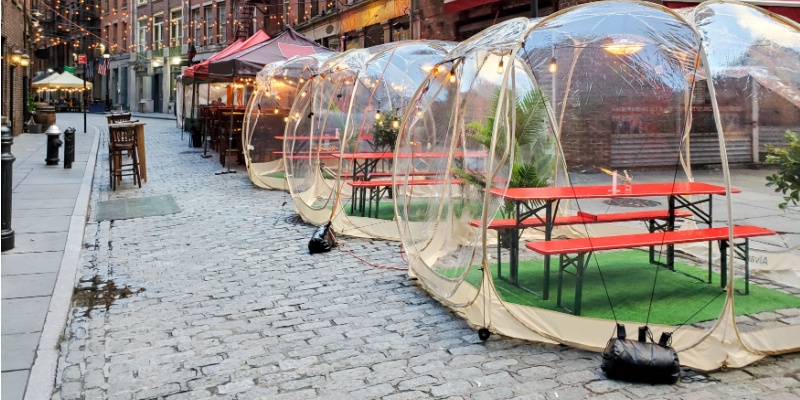
Manhattan, with its bustling dining scene, iconic eateries, and diverse culinary offerings, remains a vibrant hub for both locals and tourists. However, this dense urban setting also presents unique challenges for restaurant owners, notably the persistent issue of cockroach infestations. These pests not only pose a significant health risk but can also tarnish a restaurant’s reputation, leading to potential closure by health inspectors if not managed properly. Understanding how to prevent and control cockroaches is crucial for maintaining a successful establishment. Why Cockroaches are a Problem in Manhattan Restaurants Cockroaches thrive in environments where food, water, and shelter are readily available. Manhattan’s structure—a tightly packed metropolitan area with older buildings and complex plumbing and wiring systems—creates ideal conditions for cockroach populations to flourish. Once they establish themselves, cockroaches can contaminate food, spread bacteria, and even trigger allergic reactions in some individuals. For restaurant owners, the presence of cockroaches can lead to severe consequences, including negative reviews, loss of customers, hefty fines, and even forced shutdowns by health departments. Moreover, the resilient nature of cockroaches makes them particularly challenging to eradicate once they’ve infested an area. Identifying Cockroach Infestations The first step in tackling a cockroach problem is identifying an infestation early. Signs of cockroach activity include: Cockroaches are nocturnal, so daytime sightings may indicate a large population. Small, pepper-like specks near food areas can be an indicator of cockroach activity. Finding these in dark, secluded areas of your restaurant points to a breeding population. A musty, oily smell can develop in areas with significant cockroach activity. Preventative Measures Prevention is the most effective method for controlling cockroach populations. Restaurant owners can implement several strategies to prevent infestations: Ensure that all areas, especially kitchens and storage rooms, are clean and free of food debris. Pay special attention to hidden spaces under appliances and inside cabinets. Store dry goods in sealed containers and never leave food out overnight. Dispose of garbage regularly and use containers with tight-fitting lids. Seal cracks and crevices around doors, windows, pipes, and other entry points to reduce access into the building. Fix leaky faucets and pipes and ensure that drainage areas are clear to eliminate moisture build-up, which attracts cockroaches. Professional Pest Elimination Solutions While preventative measures are vital, sometimes professional intervention is necessary, especially when dealing with an existing infestation. Here’s how restaurant owners in Manhattan can select a reliable pest elimination service: Look for pest elimination providers with specific experience in urban and commercial settings, particularly those that specialize in food establishments. The best exterminators use an IPM approach, focusing on long-term prevention through a combination of biological, physical, chemical, and cultural tactics to minimize health and environmental risks. Engage a service that offers regular inspections and customized treatment plans tailored to your restaurant’s specific needs and challenges. Ensure that the pest elimination service complies with local health regulations and can provide documentation for health inspections. Monitoring and Continuous Improvement Effective pest management is an ongoing process. Regular monitoring can help catch new infestations early and adjust prevention strategies as needed. Training staff to recognize signs of pest activity and maintain cleanliness standards is also crucial. Furthermore, staying informed about new pest elimination technologies and methods can provide additional tools in the fight against cockroaches. In conclusion, the presence of cockroaches in Manhattan restaurants poses a significant threat to the health and reputation of these establishments. Systematic Pest Elimination offers a reliable solution to help restaurant owners effectively eliminate this persistent pest problem. By utilizing their expertise and advanced techniques, restaurant owners can ensure a clean and safe environment for their customers and employees. With Systematic Pest Elimination’s assistance, Manhattan restaurant owners can regain control over their pest management issues and protect their businesses from potential health code violations. Don’t wait any longer – contact Systematic Pest Elimination today to address your cockroach problems and maintain a hygienic dining experience for all.
Do You Have a Rat Problem in Your Manhattan Restaurant?

Running a restaurant in the heart of Manhattan is no small feat. From managing staff and inventory to satisfying the diverse tastes of discerning diners, restaurant owners face a myriad of challenges daily. One issue that can quickly derail even the most well-run establishment is a rat infestation. In a city known for its bustling streets and vibrant culinary scene, rodent problems can tarnish your restaurant’s reputation and pose significant health risks to patrons and staff alike. In this blog post, we’ll explore the signs of a rat problem in your Manhattan restaurant and discuss why prompt action is essential. Plus, we’ll provide a solution to help you tackle rodent infestations head-on. Recognizing the Signs of Rats The first step in addressing a rat problem in your restaurant is recognizing the signs of an infestation. Rats are nocturnal creatures that prefer to hide during the day, making them elusive and difficult to detect. However, several telltale signs may indicate the presence of rats in your establishment. These include: Rat droppings are small, pellet-shaped feces typically found along baseboards, in storage areas, and near food sources. Fresh droppings are dark brown and moist, while older droppings may be dried and crumbly. Rats have sharp incisors that they use to gnaw on food packaging, electrical wiring, and structural materials. Look for chew marks on containers, cardboard boxes, and wooden surfaces throughout your restaurant. Rats often travel along the same pathways, leaving behind oily smudges and rub marks along walls and baseboards. These marks may be more visible in areas with heavy rat traffic, such as near food storage areas and garbage bins. Rats build nests from shredded paper, fabric, and other soft materials. If you discover piles of shredded material in dark, secluded areas of your restaurant, it may indicate the presence of rats. Rats often leave footprints and greasy smudge marks along their regular travel routes. Rat urine has a strong, musky odor that becomes more noticeable as the infestation grows. If you notice any of these signs in your Manhattan restaurant, it’s crucial to take immediate action to address the problem. Rats can multiply rapidly, turning a minor infestation into a full-blown crisis in weeks. Moreover, they pose serious health risks to both customers and employees, as they can transmit diseases such as leptospirosis, salmonellosis, and hantavirus through their urine, droppings, and saliva. Common Reasons for Rat Infestations in Restaurants Understanding why rats are attracted to your restaurant is crucial for effective control and prevention. Common reasons for rat infestations in restaurants include: Restaurants offer abundant food sources for rats, including leftover scraps, improperly stored food, and garbage bins. Poor sanitation practices can quickly attract rats to your establishment. Cluttered and poorly maintained areas provide rats with ample hiding spots and nesting sites. Overcrowded storage rooms, messy kitchens, and neglected outdoor areas can all contribute to rat infestations. Rats can squeeze through small openings, gaps, and cracks in your restaurant’s exterior. Holes in walls, gaps around doors and windows, and openings around utility lines provide easy access for rats to enter your premises. Like all living creatures, rats need water to survive. Leaky pipes, dripping faucets, and standing water in drains provide rats with the moisture they need to thrive. A Solution to the Rat Problem Fortunately, there’s a solution to your rat problem: Systematic Pest Elimination. As Manhattan’s premier pest elimination company, we specialize in providing tailored solutions to help restaurants and businesses eliminate rodent infestations and maintain a pest-free environment. Our team of trained technicians utilizes the latest techniques and technology to identify and address rodent issues quickly and effectively, minimizing disruption to your business operations. When You Partner with Systematic Pest Elimination, You Can Expect: 1. Comprehensive inspections We’ll thoroughly assess your restaurant to identify potential entry points, nesting sites, and food sources for rats. 2. Customized treatment plans Based on our findings, we’ll develop a personalized pest management plan tailored to the specific needs of your establishment. This may include implementing exclusion measures, deploying traps and baits, and providing ongoing monitoring and support. 3. Preventive measures Besides addressing existing infestations, we’ll also work with you to implement proactive measures to prevent future rodent problems. This may involve sealing off entry points, improving sanitation practices, and educating staff on proper pest prevention techniques. So, if you suspect that your Manhattan restaurant is facing a rat problem, it is crucial to take immediate action to protect the health and safety of your customers and employees. Systematic Pest Elimination offers specialized services tailored to effectively eliminate rats from commercial spaces, ensuring a clean and pest-free environment. With their experienced team and proven methods, you can trust that your rat problem will be efficiently resolved. Don’t let pests jeopardize your establishment’s reputation – contact Systematic Pest Elimination today for a thorough inspection and customized plan. Take control of the situation now before it escalates further.
Manhattan Rodent Control Experts
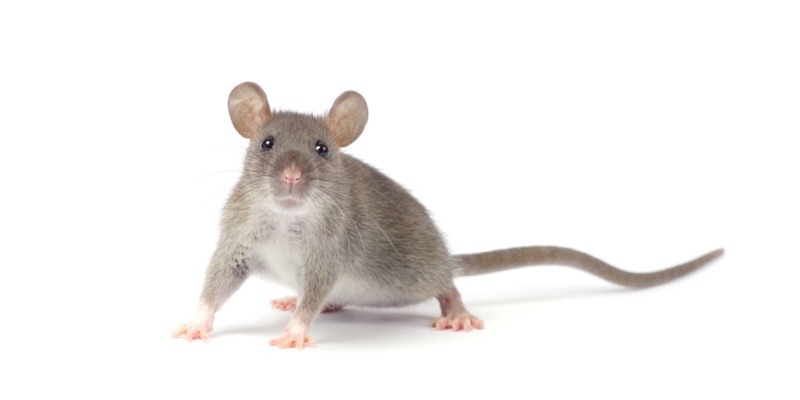
Rodent infestations remain a persistent problem in Manhattan. Because this borough is densely populated, rats and mice find ample opportunities to thrive on every block. Consequently, commercial property owners must maintain a rodent-free environment to protect their tenants. This effort also safeguards the reputation of your business. While some owners try to handle pests alone, professional expertise is truly invaluable. Here is why you should choose Manhattan rodent elimination experts for your commercial property. 1. Specialized Knowledge and Experience Manhattan rodent experts are not your average technicians. Instead, they are highly trained professionals with a deep understanding of urban ecology. They know how Manhattan’s unique architecture influences pest behavior. Armed with this knowledge, they can devise customized solutions for your building. First, they accurately assess the extent of the infestation. Next, they identify specific contributing factors. Ultimately, they implement solutions tailored specifically to your commercial space. 2. Comprehensive Inspection and Assessment Every effective service begins with a thorough inspection. Experts will meticulously examine the interior and exterior of your building. During this process, they look for entry points and harborage areas. This detailed evaluation allows them to develop a targeted treatment plan. Furthermore, it helps prevent future occurrences. As a result, property owners enjoy long-term effectiveness and total peace of mind. 3. Integrated Pest Management (IPM) Approach Our Manhattan experts utilize an Integrated Pest Management (IPM) approach. This method uses multiple strategies to achieve sustainable results. Rather than relying only on chemicals, IPM incorporates habitat modification and exclusion. Additionally, we use trapping and sanitation techniques to reduce our environmental impact. Experts manage infestations effectively by integrating these various methods. Most importantly, this approach minimizes risks to human health. 4. Safe and Effective Treatments We utilize safe treatments approved specifically for commercial settings. Experts select these products based on their efficacy and safety profiles. Consequently, they pose minimal risk to your occupants and pets. Moreover, our technicians receive specialized training in proper application. They always follow label instructions to ensure maximum effectiveness. This careful process eliminates pests without creating new hazards for your business. 5. Compliance with Regulations and Standards Commercial properties in Manhattan must follow strict sanitation regulations. Professionals like Systematic Pest Elimination understand these laws perfectly. Therefore, we ensure all our services comply with local requirements. By enlisting our help, you mitigate the risk of heavy fines. You also avoid legal liabilities associated with non-compliance. We handle the paperwork and the pests so you can focus on your business. 6. Ongoing Monitoring and Maintenance Rodent elimination is an ongoing process, not a one-time event. Therefore, Systematic Pest Elimination provides continuous monitoring for your facility. We conduct regular follow-up inspections to assess our treatment’s success. If new issues emerge, we address them promptly. By maintaining proactive surveillance, we ensure your property remains conducive to daily operations. Investing in our services is a prudent decision for any Manhattan enterprise.
Protect Your NYC Apartment Building from Rats and Mice

Living in New York City offers a dynamic and exciting lifestyle unmatched by any other city. However, residents often face unique challenges, including the problem of rodent infestations, particularly rats and mice. These unwelcome guests pose health risks, cause property damage, and can be a source of stress for tenants and property managers alike. Here’s how you can protect your NYC apartment building from the scourge of rats and mice. Understanding the Risk Rats and mice are attracted to environments that provide easy food, water, and shelter access. Apartment buildings are particularly vulnerable because they offer all three in abundance. Once rodents establish a presence, they can multiply quickly and become difficult to eradicate. They can spread diseases, contaminate food, and even chew through wires, potentially causing fire hazards. Prevention: The First Line of Defense 1. Seal Entry Points The first step in rodent prevention is to cut off their access to your building. Conduct a thorough inspection of your building’s exterior. Look for cracks, holes, and gaps larger than a quarter-inch in diameter, especially around doors, windows, pipes, vents, and roof joints. Seal these openings with caulk, steel wool, or a combination. Remember, rats can squeeze through a hole as small as a quarter, and mice can fit through spaces as small as a dime. 2. Manage Trash and Recycling Proper waste management is crucial in controlling rodent populations. Ensure all garbage is disposed of promptly and stored in tightly sealed bins. Rats and mice are drawn to food waste, so it’s essential to use sturdy bins with tight-fitting lids. Regularly clean the bins and the area where they are stored to remove food residue and odors that can attract rodents. 3. Reduce Clutter Reduce clutter and storage areas inside the building where mice and rats can nest. Regular inspections and cleaning of basements, attics, and utility rooms are important. Encourage tenants to keep their homes tidy and clutter-free. 4. Landscape Management Overgrown vegetation near the building can provide shelter for rodents. Keep shrubs trimmed and eliminate weeds around the building perimeter. Avoid using heavy ground cover, like ivy, and maintain a tidy buffer zone around the building. Detection: Recognizing Signs of Infestation Early detection can prevent a full-blown rodent infestation. Regularly inspect your building for signs of rodents, including: Fresh droppings are dark and moist. As they age, they dry out and lighten in color. New gnaw marks tend to be lighter in color and become darker as they age. Look for footprints or tail marks in dusty areas. Rats tend to travel the same paths, usually along walls. Rodents use shredded paper, fabric, or dried plant matter to make nests. Listen for sounds of scurrying or scratching on walls or ceilings, especially at night. Intervention: When Prevention Isn’t Enough 1. Bait and Traps Setting up traps and bait stations can help control a rodent population. Various traps are available, including snap traps, electronic traps, and live catch traps. Bait stations with rodenticide can be effective but must be used cautiously, especially in buildings with children and pets. 2. Regular Maintenance Continuously monitor the effectiveness of your elimination measures and adjust as needed. Replace traps regularly and check bait stations frequently to ensure they are active and safe. 3. Professional Pest Elimination Services Sometimes, despite your best efforts, professional help may be needed, especially if the infestation is severe. Systematic Pest Elimination can offer more comprehensive solutions and customized strategies, which include more advanced trapping techniques and environmentally safe pesticides. Communication: Educating Tenants Effective communication with tenants is essential. Educate them about preventing rodent infestations and the importance of reporting signs of rodents early. Provide guidelines on how to store food properly, dispose of garbage, and maintain their living spaces. In conclusion, protecting your NYC apartment building from rats and mice is crucial to maintaining a safe and clean living environment for residents. Utilizing the services of Systematic Pest Elimination can provide effective solutions to eliminate these pests and prevent future infestations. With our expertise and customized approach, you can ensure that your building remains rodent-free. Take action now to safeguard your property and the well-being of those who call it home before the problem escalates – take action now to safeguard your property and the well-being of those who call it home. Contact Systematic Pest Elimination today and protect your NYC apartment building from rats and mice once and for all.
Are Rats an Issue for New York Apartment Building Managers?
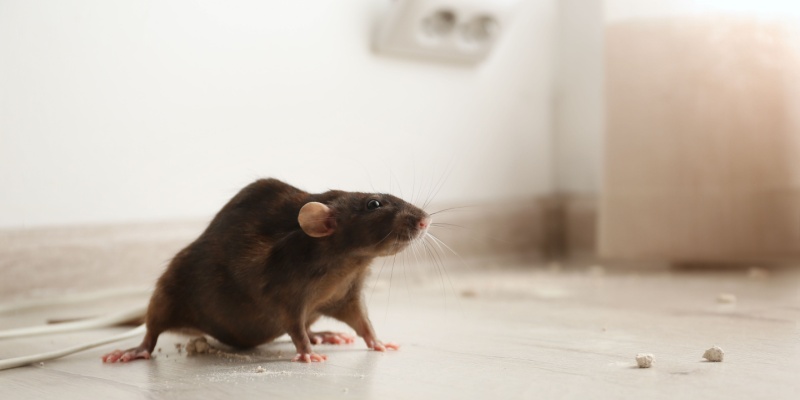
New York City is a place where dreams are pursued and ambitions are realized. Yet, amidst the city’s vibrancy lies a persistent challenge that plagues apartment building managers and residents alike: rats. For those tasked with managing New York apartment buildings, rodent infestations are not just a nuisance but a pressing concern that requires proactive measures to address. Let’s look at why rats are a significant issue for New York apartment building managers and what steps can be taken to mitigate this problem. The Rat Conundrum in New York City Rats have long been synonymous with urban life, and New York City is no exception. With its dense population, labyrinthine infrastructure, and abundant food sources, the city provides an ideal habitat for rats to thrive. Apartment buildings, with their interconnected spaces and numerous entry points, are particularly susceptible to infestations. Rats can enter buildings through cracks in the foundation, gaps around pipes, and even through sewers. Once inside, they can quickly multiply, turning a minor issue into a full-blown infestation. The Impact on Apartment Building Managers For apartment building managers, rat infestations pose a multitude of challenges and risks: 1. Health Hazards Rats are known carriers of various diseases, including leptospirosis, salmonellosis, and rat-bite fever. Their feces, urine, and saliva can contaminate surfaces and food, posing health risks to residents and staff. 2. Property Damage Rats are voracious chewers and can cause significant damage to buildings, including gnawing on electrical wiring, plumbing, insulation, and structural elements. This damage compromises the integrity of the building and poses fire and safety hazards. 3. Reputation Damage A rat infestation can tarnish an apartment building’s reputation, leading to negative reviews, decreased property values, and difficulties attracting and retaining tenants. Residents may feel unsafe and dissatisfied with their living conditions, leading to increased turnover and vacancies. 4. Regulatory Compliance Apartment buildings in New York City are subject to various health and housing regulations, including those pertaining to pest elimination and sanitation. Failure to address rat infestations promptly and effectively can result in fines, violations, and legal liabilities for building managers. Addressing the Rat Problem While rats may seem like an insurmountable challenge, there are steps that apartment building managers can take to mitigate the problem: 1. Regular Inspections Conduct routine inspections of the building’s exterior and interior to identify signs of rat activity, such as droppings, gnaw marks, burrows, and nesting materials. Focus on areas with high moisture levels, food debris, and clutter, as these are prime habitats for rats. 2. Sealing Entry Points Seal any gaps, cracks, and openings in the building’s exterior to prevent rats from gaining access. Pay particular attention to areas around pipes, vents, doors, windows, and utility lines. Use materials like steel wool, wire mesh, and caulk to block potential entry points. 3. Sanitation Practices Implement strict sanitation practices to eliminate food sources and attractants for rats. Ensure that garbage bins are securely closed and regularly emptied and that food waste is disposed of properly. Clean up spills and crumbs promptly, and store food in sealed containers. 4. Pest Elimination Measures Work with professional pest experts to develop a comprehensive rodent elimination plan tailored to your building’s specific needs. This plan may include baiting, trapping, exclusion, and habitat modification strategies to reduce rat populations and prevent reinfestations. 5. Tenant Education Educate residents about the importance of proper sanitation and hygiene practices in preventing rat infestations. Provide information on how to report signs of rat activity and encourage collaboration in implementing preventive measures. 6. Collaboration with Authorities Establish partnerships with local authorities, community organizations, and neighboring buildings to address rat infestations collectively. Coordinate efforts to identify and eliminate rat harborage sites, implement rodent elimination measures, and promote public awareness campaigns. Challenges to Rat Elimination However, managing rat infestations in New York City apartment buildings is not without its challenges. The transient nature of urban life means that even the most diligent efforts to eradicate pests may be thwarted by external factors beyond the control of building managers. Construction projects, nearby food establishments, and changes in weather patterns can all influence the movement and behavior of rats, making it difficult to predict and prevent infestations. Moreover, the dense population and complex infrastructure of the city can hinder access to certain areas of the building, making it challenging to identify and address hidden nesting sites. In light of these challenges, collaboration and communication are essential. Building managers should work closely with residents to foster a sense of community responsibility and encourage active participation in pest management efforts. Working closely with experts such as Systematic Pest Elimination can ensure complete control over these pests. In conclusion, rats are indeed a significant issue for New York apartment building managers, posing health risks and property damage. However, with the help of Systematic Pest Elimination, these problems can be effectively addressed through comprehensive pest elimination solutions tailored to the specific needs of each building. By staying vigilant and adaptable in the face of evolving challenges, and with the expertise and resources provided by Systematic Pest Elimination, building managers can ensure that their properties remain beacons of urban living in the heart of the Big Apple.
Protect Your Manhattan Restaurant from Cockroaches

Manhattan, the heart of New York City, is renowned for its vibrant dining scene. However, the dense urban environment, high human traffic, and close proximity of food establishments also make it a battleground for restaurant owners fighting to keep their spaces cockroach-free. Protecting your restaurant from cockroaches requires diligence, strategic planning, and often, professional assistance. Here’s how you can safeguard your Manhattan restaurant from cockroaches. Understanding the Risks Cockroaches are not only a sign of uncleanliness; they are also carriers of diseases and contaminants and a threat to public health. Their presence can severely damage a restaurant’s reputation, lead to regulatory fines, and, in extreme cases, result in closure. In Manhattan, where word travels fast, a single cockroach sighting can quickly escalate into a public relations nightmare. Comprehensive Sanitation Practices The cornerstone of cockroach prevention is maintaining an impeccably clean dining and kitchen area. Cockroaches are attracted to food remnants and grease, making thorough cleaning not just daily, but after each service, essential. Schedule regular deep cleaning sessions to tackle areas that are not part of the daily cleaning routine, such as behind kitchen appliances, inside drains, and under sinks. Ensure all food is stored in airtight containers and off the floor to reduce attractants. Implement strict protocols for garbage handling and disposal. Use sealed containers, and ensure dumpsters are located away from the restaurant’s entrance. Structural Maintenance and Exclusion Physical barriers to entry can significantly reduce the risk of cockroach infestations. Regularly inspect your property for potential entry points, including gaps in walls, loose tiles, and openings around pipes or vents, and seal them with appropriate materials. Install door sweeps on all exterior doors and repair any torn window screens to prevent cockroach entry. Vigilant Inspection and Monitoring Early detection is key to preventing a full-blown infestation. Conduct frequent and thorough inspections of your premises, focusing on high-risk areas like kitchens, storage rooms, and waste disposal areas. Utilize glue traps and other monitoring devices to detect early signs of cockroach activity. This can help identify problem areas and the extent of an infestation. Employee Training and Engagement Educating your staff on the importance of pest control and their role in maintaining a cockroach-free environment is crucial. Implement training programs that cover proper food handling, sanitation practices, and protocols for reporting sightings or signs of pests. Encourage staff to be proactive in maintaining cleanliness and to immediately report any signs of cockroach activity. Professional Pest Control Services Given the resilience of cockroaches and the complexity of urban environments like Manhattan, partnering with a professional pest control service is often the most effective strategy. A professional service can provide a detailed assessment of your restaurant’s specific needs and customize a treatment and prevention plan. Professionals have access to a variety of treatment options, including baits, traps, and insect growth regulators, which are more effective and safer than over-the-counter solutions. Systematic Pest Elimination: Your Ally in Pest Control Systematic Pest Elimination specializes in urban pest management, offering tailored solutions to protect your Manhattan restaurant from cockroaches. Our team of experts understands the unique challenges faced by Manhattan establishments and employs state-of-the-art techniques to ensure your restaurant remains a clean, welcoming space for your patrons. Protecting your Manhattan restaurant from cockroaches demands a comprehensive, integrated approach. By maintaining high standards of cleanliness, implementing structural defenses, conducting regular inspections, educating your staff, and enlisting the help of professionals like Systematic Pest Elimination, you can ensure your establishment remains a beloved part of New York City’s dining landscape, free from the threats posed by cockroaches.
Top 5 Signs You Have a Serious Cockroach Problem in Your Restaurant
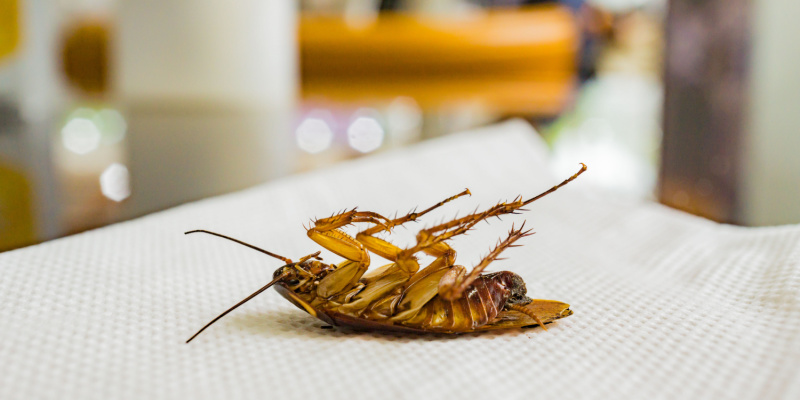
Cockroaches are not just a minor nuisance; they can signify deeper cleanliness and structural issues in a restaurant, posing serious health risks to customers and potentially jeopardizing your business. Recognizing the signs of a serious cockroach infestation is crucial for taking timely action. Here are the top 5 indicators that your restaurant may be facing a significant cockroach problem: 1. Visible Cockroaches During the Day Cockroaches are nocturnal creatures, so seeing them during the day is a strong indication of a large population. If cockroaches are competing for food and space, they will venture out at unusual times. Spotting them regularly, especially in food preparation or storage areas, signals an urgent need for pest control intervention. 2. Cockroach Droppings Cockroach droppings resemble black pepper or coffee grounds and can be found where cockroaches are active. The presence of droppings in drawers, shelves, and countertops, or along walls and baseboards, is a telltale sign of an infestation. Teach your staff to look out for this sign of cockroach activity. It is easy to brush the cockroach droppings off as a spill instead of realizing that they are a sign of pest activity. Larger roaches might produce cylindrical droppings, which can indicate the type of cockroach and the size of the problem. 3. Egg Cases and Shed Skins Cockroaches shed their exoskeletons multiple times throughout their lifecycle. Finding shed skins or egg cases, which are dark-colored and oblong, around your restaurant indicates a breeding population. Check in hidden areas, like under appliances and in corners, for these signs of reproduction and growth. 4. Foul Odor A significant cockroach infestation can produce a musty, unpleasant smell. This odor comes from pheromones released by the cockroaches and can permeate food and surfaces in the restaurant. If customers or staff notice a persistent foul smell, it could be due to a large cockroach presence. 5. Damage to Food and Packaging Cockroaches are voracious eaters that can chew through cardboard, paper, and plastic to access food. Finding holes in food packaging, gnawed on fruits and vegetables, or compromised dry goods are clear indicators of a cockroach infestation. This not only leads to food waste but also poses serious health risks. The Importance of Professional Pest Control Recognizing these signs early can save your restaurant from further damage and health hazards. Cockroaches are resilient pests that require professional expertise to eliminate effectively. Systematic Pest Elimination offers comprehensive pest control services that address the root of the problem, employing state-of-the-art techniques and solutions to ensure your restaurant is cockroach-free. Systematic Approach to Cockroach Elimination Our approach includes: A serious cockroach problem in your restaurant is not to be taken lightly. It can impact your reputation, customer satisfaction, and ultimately, your bottom line. Recognizing the signs of an infestation is the first step towards addressing the issue. Partnering with a professional pest control service like Systematic Pest Elimination ensures that your establishment remains a clean, safe, and welcoming environment for both staff and patrons.